Ankle Braces for Sprains: When to Use 2D, 3D, or Compression Ankle Support
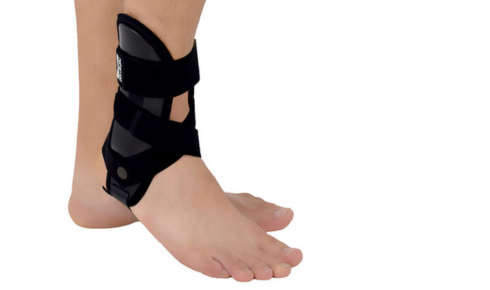
An ankle sprain can happen in a second. A missed step on the stairs. An awkward landing during sports. Even walking on an uneven road can twist the joint. After the swelling starts and the pain sets in, most people search for the best ankle brace for sprains. The options often include 2D ankle support, 3D ankle support, and compression ankle braces. Each type serves a different purpose.
As an orthopedic specialist, doctors examine the severity of the sprain before recommending support. Not every sprain needs the same level of stability.
Understanding an Ankle Sprain
An ankle sprain occurs when the ligaments stretch or tear due to sudden twisting. Mild sprains involve small ligament stretches. Moderate sprains cause partial tears. Severe cases involve complete ligament damage and instability.
Pain, swelling, bruising, and difficulty in walking usually follow. During this phase, proper ankle support for walking protects the joint and reduces strain.
When to Use a Compression Ankle Brace
A compression ankle brace provides mild support. It fits like a snug sleeve and applies even pressure around the joint. Doctors often recommend it for mild sprains, slight swelling, or early recovery stages.
Compression improves blood flow and reduces fluid buildup. Many people use a compression ankle brace for sports or daily walking when they feel minor discomfort. It allows full movement while offering gentle stability.
This option works well for people who want flexibility without rigid restriction. However, it does not control major instability.
When to Use 2D Ankle Support
A 2D ankle support offers structured yet flexible protection. It usually combines compression with adjustable straps. This design adds more control than a simple sleeve.
Doctors suggest a 2D ankle brace for sprains when the injury involves moderate swelling or partial ligament strain. The added straps help limit inward or outward twisting. Patients who return to routine work or light activity often choose this option for extra confidence.
It provides balance between movement and stability. Walking feels safer, especially on uneven surfaces.
When to Use 3D Ankle Support
A 3D ankle support offers enhanced anatomical design. It contours closely around the ankle and may include reinforced zones for targeted compression. Some models add rigid elements for better control.
Orthopedic specialists recommend a 3D ankle brace for sprain recovery when the joint shows moderate instability. This type supports ligament healing while maintaining proper alignment.
Athletes recovering from a sports injury often use this support during training. It reduces unwanted side-to-side movement and protects healing tissues.
Choosing the Right Ankle Brace for Sprain
Selecting the correct ankle brace for sprain depends on the injury grade and activity level. A mild sprain responds well to compression. Moderate sprains often need 2D or 3D structured support.
Wearing the wrong brace can slow healing. Too little support may strain ligaments. Too many restrictions may weaken muscles over time.
Doctors also recommend combining ankle support with rest, ice, elevation, and guided strengthening exercises. Braces assist recovery, but rehabilitation builds long-term strength.
Final Thoughts
Ankle sprains rank among the most common orthopedic injuries worldwide. Vissco Next ankle support for walking protects the joint, reduces discomfort, and restores confidence in movement.
Compression ankle braces suit mild cases. 2D and 3D ankle supports provide stronger stability for moderate injuries. With proper guidance and consistent care, individuals regain ankle strength step by step and return to daily activities with greater ease.