DESK / HOME-IMPROVEMENT
Expressimpactz category

Home Improvement

Fresh reporting and useful perspective from Expressimpactz.

Latest from Home Improvement

4 stories
Home ImprovementNov 4

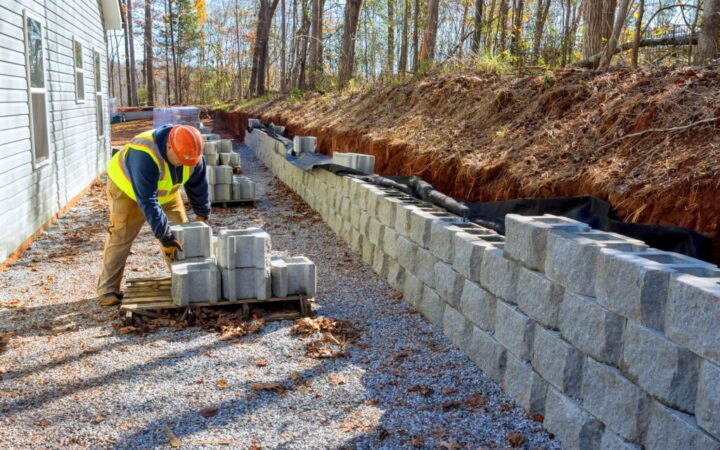
Retaining Wall Permits in Stewartville, MN: Height Requirements and What Triggers Approval

A properly constructed retaining wall can transform a sloped yard into functional living space, reduce soil erosion, and provide a more organized outdoor environment. Before retaining wall contractors in Stewartville, MN, begin excavation, property owners must determine whether the planned wall requires a permit. Height is a primary factor in that determination, though it is not the sole consideration. Understanding the applicable regulations in advance prevents project delays and avoids costly redesigns. How Height Affects Permit Requirements Under the Minnesota State Building Code, a retaining wall typically does not need a building permit if it stands no more than four feet tall, measured from the bottom of the footing to the top of the wall. Exceptions apply, however. If the wall supports a surcharge load such as a driveway, parking area, or structure, permit requirements may apply even when the wall is under four feet in height. One thing homeowners often overlook is that the code measurement includes the footing, not just the visible wall above ground. Consequently, the regulated height often exceeds the apparent height of the visible wall. Local regulations in Stewartville may impose additional requirements. Property owners should verify current rules with the city building department rather than assuming the general state threshold applies. Why the Site Around the Wall Matters Wall height is only one factor among several that affect permit requirements and structural design. Soil conditions, drainage patterns, slope, and adjacent structures all influence the lateral pressure the wall must withstand. Even a wall under four feet in height can present significant structural challenges if it is located at the base of a steep slope or retains soil near a garage, patio, or driveway. Drainage design warrants particular attention in Minnesota, where freeze-thaw cycles and snowmelt create unique challenges. Water from rainfall and snowmelt can accumulate behind the wall, exerting substantial hydrostatic pressure over time. Proper drainage design, appropriate backfill material, and a structurally sound footing help manage that pressure effectively. This typically means a layer of free-draining aggregate behind the wall, with a perforated drain pipe at the base to carry water away from the footing. Before excavation begins, underground utilities should be located and local grading and stormwater requirements verified. Even when no building permit is required, setback, easement, and property line regulations may restrict the wall's placement. What to Confirm Before Building Document the wall's planned location, total height (including footing depth), and the material or load it will be retaining. Identify whether a driveway, fence, building, or slope is located in close proximity to the wall. Contact the city to determine whether a building permit, zoning review, or site plan approval is required. Each property is unique. Property owners should not assume that a wall under four feet requires no additional approvals. For taller walls or walls carrying added loads, the city might ask for engineering drawings or a site review. For walls that need reinforcement, engineers typically specify geogrid—a high-strength polymer mesh laid in horizontal layers behind the wall to stabilize the soil mass Engaging retaining wall contractors in Stewartville, MN, early in the project allows site-specific conditions to be addressed before problems arise. Retain copies of all permits and approvals. Construction should not commence until all required documentation has been obtained. When to Seek Professional Guidance Consult a professional if the wall approaches four feet in height, carries a surcharge load, is located near a property line, or is part of a larger grading project. Retaining wall contractors in Stewartville, MN, can help you work through construction details and site conditions, while the local building department remains the authority on what permits are required. Conclusion The four-foot threshold is a baseline standard, not a comprehensive determination. Minnesota’s measurement includes the footing, and certain loads can change permit requirements entirely. Before breaking ground, confirm current regulations with Stewartville officials, resolve drainage and grading considerations, and secure all necessary approvals. With proper preparation and assistance from retaining wall contractors in Stewartville, MN, property owners can proceed with confidence.
6 min read↗
Home ImprovementNov 4

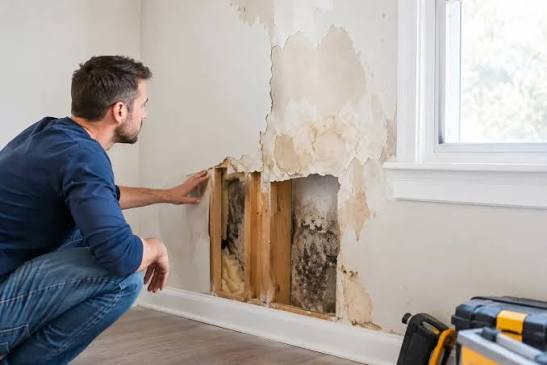
Water-Stained Drywall in Coralville: Why Diagnosis Comes Before Patching

A yellow or brown discoloration on your wall may appear insignificant, but water-stained drywall typically indicates an underlying moisture problem that requires attention. Painting over the stain without identifying the moisture source only delays the inevitable recurrence of the problem. Identifying and resolving the moisture source must come first; only then should you engage a qualified professional for drywall repair in Coralville, IA. What Water Stains Can Tell You Water stains typically appear as yellow or brown discoloration that may expand following heavy rainfall, recur after painting, or present alongside bubbling paint, peeling finishes, or a persistent musty odor. Drywall absorbs moisture rapidly; once saturated, it softens, swells, and loses the structural integrity necessary to maintain its form and function. The challenge is that the visible stain rarely indicates the precise point of water intrusion. A roof leak can migrate along framing members before manifesting on your ceiling, while a plumbing leak can extend significantly beyond the pipe itself. Think of the stain as a clue rather than a diagnosis. Even when the surface feels dry to the touch, the framing or insulation behind it may still be holding moisture. If the moisture source cannot be identified, a licensed plumber or roofing contractor should conduct an inspection before any patching work commences. Common Sources of Moisture in Coralville Homes Damaged shingles, deteriorating flashing, leaking supply lines, improperly sealed windows, and appliance overflows are among the most common moisture sources. Coralville’s seasonal temperature swings can also push condensation into walls and ceilings where ventilation or insulation falls short. Bathrooms, kitchens, basements, and laundry rooms all carry higher risk. Knowing where the moisture originated determines which trade needs to be called first. Why Patching Too Soon Can Backfire Joint compound and fresh paint may conceal a stain, but they will not stop active moisture migration within the wall assembly. If the moisture source remains active, the stain will recur, and the new patch will blister, crack, or delaminate from the surface. Worse, moisture that lingers behind the wall slowly damages the framing and insulation, turning what started as a surface repair into a much larger project. Ongoing dampness also creates conditions where mold can develop on organic materials. While not every water stain indicates mold presence, a persistent odor or ongoing wall softness warrants evaluation by a qualified mold assessor. What a Proper Investigation Should Include Start by noting when the stain appeared and checking the area carefully for soft spots, sagging sections, peeling paint, or related staining nearby. A wall that looks dry is not always dry. A professional will use a moisture meter pressed against the drywall or inserted into the framing, to confirm whether hidden moisture remains before any repair begins. The leak or moisture source needs to be fixed before any surface work starts. Next, determine whether the affected drywall can be dried in place or whether sections require complete removal and replacement. Any mold contamination must be remediated before new materials are installed. Once the area is thoroughly dry and the underlying issue resolved, professional drywall repair in Coralville, IA, will restore damaged sections, achieve a smooth surface, and prepare the area for primer and paint. Most residential walls use a Level 4 finish, tape embedded, two coats over joints. Under bright light or glossy paint, specify Level 5 with a full skim coat so the patch disappears. The extent of repair required depends on actual structural damage, not merely the visible size of the stain. When to Arrange Drywall Repair Schedule a professional assessment when a stain recurs after painting, expands over time, feels soft when pressed, or appears alongside bubbling paint or persistent odor. If moisture has reached areas near electrical outlets or fixtures, maintain a safe distance and contact qualified professionals immediately. Active leaks require prompt attention rather than a wait-and-see approach. Key Takeaway Water-stained drywall warrants thorough investigation before any repair work begins. Identifying the moisture source prevents stain recurrence, limits the extent of damage, and addresses moisture problems before refinishing seals them within the wall cavity. Once the leak is resolved and the area has dried out fully, drywall repair in Coralville, IA, can restore the surface. Following the proper sequence protects both your home's appearance and its structural integrity.

7 min read↗