What to Do When an ATM Transaction Fails or a Mistake Payment Happens
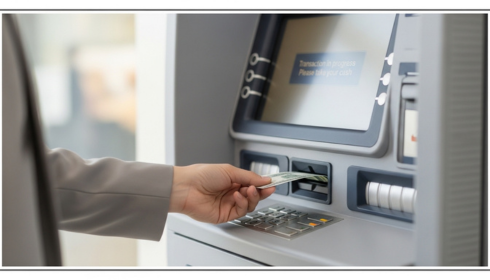
Money-related errors can feel stressful, especially when they happen unexpectedly at an ATM or during an online transfer. Whether cash gets debited but not dispensed, or you accidentally send money to the wrong account, knowing the right steps can save you time, money, and unnecessary anxiety. Let’s break it down in a simple, practical way so you can act fast and stay in control.
Understanding ATM Transaction Failures
An ATM transaction failure usually happens when the machine debits your account but doesn’t dispense cash. This can occur due to network issues, machine malfunction, or insufficient cash in the ATM.
In such cases, the most important thing is not to panic. Banks usually have automated systems that detect such failed transactions and reverse the amount within a few hours or days. However, delays can happen, and that’s when you should file an atm transaction failed complaint with your bank.
Make sure you note down essential details like:
- ATM location
- Date and time of transaction
- Transaction amount
- Last four digits of your card
These details will help speed up the complaint process.
How to File a Complaint for ATM Issues
Filing a complaint is easier than most people think. You can do it through multiple channels:
1. Bank Customer Care
Call your bank’s helpline number and report the issue immediately. Most banks provide a complaint reference number for tracking.
2. Mobile Banking or Net Banking
Log in to your bank app or website and raise a service request. This method is often faster and keeps a digital record.
3. Visit the Bank Branch
If the issue isn’t resolved quickly, visiting your home branch can help. Carry proof like transaction slips or SMS alerts.
4. RBI Guidelines
According to banking norms, failed ATM transactions should be reversed within a specific timeframe (usually 5–7 working days). If not, you may be eligible for compensation.
What is a Mistake Payment?
A mistake payment happens when money is transferred to the wrong account due to incorrect details like account number, UPI ID, or IFSC code. This is more common than people admit—and yes, it can be fixed in many cases.
If you’ve made a Mistake payment, the key is to act immediately. Time plays a crucial role here because once the funds are withdrawn by the recipient, recovery becomes more complicated.
Steps to Recover Wrongly Sent Money
Here’s what you should do right after realizing the error:
1. Inform Your Bank Immediately
Contact your bank through customer care or visit the branch. Provide transaction details like date, amount, and beneficiary information.
2. Raise a Formal Complaint
Most banks allow you to file a written complaint requesting reversal. This creates an official record.
3. Contact the Recipient’s Bank
If possible, your bank may coordinate with the recipient’s bank to freeze or reverse the amount.
4. Legal Option (If Needed)
If the recipient refuses to return the money, you may need to take legal action. However, this is usually the last resort.
Tips to Avoid Such Issues in the Future
Prevention is always better than cure. A few simple habits can help you avoid financial mistakes:
- Double-check account details before transferring money
- Avoid rushing transactions
- Use saved beneficiaries for frequent payments
- Keep transaction alerts active
- Always collect ATM receipts
These small steps can reduce the chances of errors significantly.
Final Thoughts
Financial mistakes like ATM failures or wrong transfers are frustrating, but they are not the end of the world. Banks have systems in place to handle such issues—you just need to act quickly and follow the correct process.
Stay calm, keep your transaction details handy, and don’t hesitate to escalate the matter if needed. With the right approach, most of these problems get resolved smoothly, and you’ll gain more confidence in handling your finances moving forward.