Water plays a bigger role in household comfort than most people realize. From the shower you take first thing in the morning to the last load of laundry before bed, it’s constantly part of your routine. When water contains unwanted particles or has an unpleasant smell, those ordinary experiences can become a little less enjoyable.
Installing whole house water filters can help homeowners address specific water quality concerns at the main supply connection rather than relying on separate filtration devices throughout the property.
It’s an approach that offers convenience, but choosing suitable equipment requires some thought. Understanding your water supply, household requirements, and treatment priorities can help you make an improvement that’s genuinely worth the investment.
Why Water Filtration Shouldn’t Stop at the Kitchen Sink
Many homeowners begin their water treatment journey with a simple filter pitcher. It seems practical enough, especially when the main concern is drinking water taste. But what about the water flowing through the rest of the house?
Unwanted sediment can accumulate inside faucet aerators, while certain disinfectants may contribute to noticeable odors during showering.
These concerns extend beyond what an ordinary kitchen filter can address. Related: Creating a More Comfortable Home With the Right Water Treatment and Filtration…
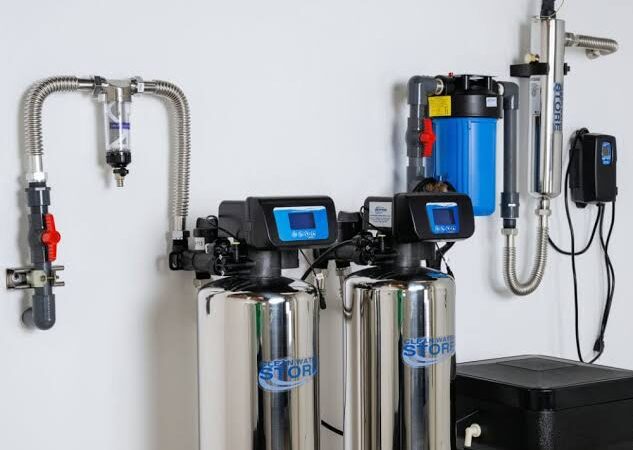
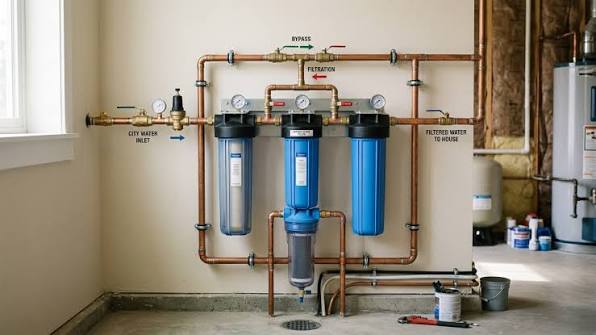
Centralized filtration treats incoming water before it travels to connected household fixtures. Depending on the equipment installed, this arrangement can reduce suspended particles, specific unwanted substances, and certain objectionable tastes or smells.
There’s also the convenience of maintaining treatment equipment in one location rather than managing several individual filters around the house.
Finding Treatment That Addresses Your Actual Water Conditions
Not every household experiences the same water quality problems. Some properties struggle with excessive sediment, while others have concerns involving chlorine, iron, or dissolved minerals.
Effective whole-house water treatment solutions should reflect the specific characteristics of incoming water and the improvements homeowners want to achieve.
Sediment filters capture suspended materials such as sand and rust. Activated carbon can reduce certain unwanted tastes, odors, and contaminants.
However, ordinary sediment and carbon filters aren’t designed to remove dissolved hardness minerals. Conventional water softening may be necessary when excessive calcium and magnesium contribute to persistent scale formation.
Some households benefit from combining different treatment technologies.
The important thing is choosing equipment that serves a meaningful purpose rather than assuming that more filtration stages will automatically produce better results.
Enjoying the Convenience of Centrally Filtered Water
Imagine turning on the bathroom faucet, running a bath, or filling the washing machine without needing separate filtration equipment at each location. Related: When Water Treatment Problems Can’t Wait: Knowing What to Do Next
The appeal of water filtration for every tap lies in its ability to deliver appropriately treated water throughout connected areas of the property from a centralized installation.
For busy families, this arrangement can simplify maintenance and reduce the inconvenience of managing multiple individual filters.
Depending on your water conditions and treatment equipment, you may notice fewer visible particles or less objectionable disinfectant odor.
It’s worth checking which plumbing branches will receive treated water, as outdoor faucets or other connections may bypass the equipment.
A properly planned installation should complement your household routine without creating unnecessary restrictions on water flow.
Understanding Your Water Before Buying Equipment
Purchasing filtration equipment without testing your water can be a costly guessing game.
Perhaps you’ve noticed cloudy water or reddish stains around bathroom fixtures. These observations offer useful clues, but several different issues can produce similar symptoms.
Appropriate water testing can help identify hardness, iron, pH, and other relevant characteristics. Specialized laboratory analysis may be necessary to investigate potentially harmful contaminants. Related: Finding the Right Water Treatment Partner for Your Home
Municipal water customers can also review available supplier reports, while private well owners should arrange testing specific to their property.
Remember that water doesn’t need to look dirty or smell unpleasant to contain unwanted substances.
Reliable information gives you a much stronger foundation for choosing treatment equipment than appearances alone.
Choosing a System That Can Keep Up With Your Family
Picture a typical weekday morning. Someone’s taking a shower, breakfast dishes need washing, and the washing machine is already running.
Your filtration equipment needs to accommodate these simultaneous demands.
When comparing systems, consider peak water consumption, incoming pressure, treatment capacity, and available installation space.
An undersized filter may restrict water flow or require frequent servicing. Unnecessarily large equipment, meanwhile, could increase initial expenses without offering meaningful additional benefits.
Ask about replacement filter availability and maintenance accessibility as well. You don’t want a routine cartridge change to become an exhausting household project.
Practical details like these can make a considerable difference to long-term ownership. Related: Keeping Your Plumbing Reliable Through Better Planning and Timely Repairs
Keeping Your Filtration System Working Effectively
Once installed, centralized filtration equipment tends to disappear into the background of everyday life. However, it still requires regular attention.
Sediment cartridges gradually accumulate debris, while activated carbon eventually loses treatment capacity.
Follow manufacturer replacement schedules and investigate unexpected changes in water pressure, appearance, or taste.
Periodic testing is particularly important when equipment is intended to reduce potentially harmful contaminants.
It’s also worth considering ongoing maintenance expenses before purchasing a system. A dependable arrangement with readily available replacement components may provide better long-term value than unnecessarily complicated equipment.
Remember, clearer water and improved taste don’t automatically establish drinking water safety.
A Simple Improvement With Lasting Everyday Benefits
Better household water doesn’t have to involve an elaborate renovation or an overwhelming maintenance routine.
Begin with reliable testing, identify your priorities, and choose filtration equipment with demonstrated capabilities that match your household’s requirements. Related: What Every Homeowner Should Know About Hidden Risks in Drinking Water
A thoughtfully selected system can address specific water quality concerns while making familiar activities more convenient.
After all, the things that make a home comfortable aren’t always expensive or immediately noticeable. Sometimes, they’re the quiet improvements that make an ordinary shower more enjoyable, simplify maintenance, and remove a few unnecessary frustrations from an already busy day.
Better water is certainly one of those improvements worth considering.