Most of us turn on the kitchen tap without giving it a second thought. We fill a glass, make coffee, rinse vegetables, and get on with the day. Water that looks clear and tastes normal feels safe enough. But appearance doesn’t always tell the full story, and some water quality problems are difficult to notice without proper testing.
This doesn’t mean homeowners should panic or assume their drinking water is dangerous. It means being informed is worthwhile. Understanding potential contaminants, knowing when to test, and choosing treatment based on actual results can make a real difference. Whether your home receives municipal water or depends on a private well, a sensible approach to water quality starts with asking the right questions.
Why Some Water Problems Go Unnoticed
Water can contain naturally occurring minerals, substances from industrial activity, agricultural runoff, or contaminants introduced through plumbing and environmental conditions. Public water systems generally follow treatment and monitoring requirements, but water quality can still vary. Private wells require particular attention because homeowners are usually responsible for arranging testing and maintaining the supply.
Some concerns are easy to spot. Cloudiness, unusual color, or a strong odor can indicate that something has changed. Other contaminants have no obvious taste, smell, or appearance. That’s why relying on the senses alone isn’t a dependable way to judge drinking water. Related: When Water Treatment Problems Can’t Wait: Knowing What to Do Next
The first step is understanding where your water comes from. If you use a municipal supply, review the water quality report provided by your supplier and check for local advisories. If you have a private well, arrange testing through a qualified laboratory and ask which contaminants are relevant to your area’s geology and land use.
Understanding PFAS and Why They Matter
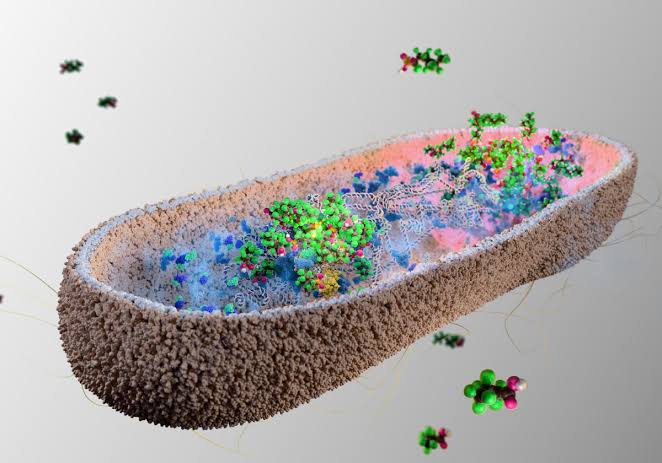
In recent years, pfas concerns have become a more common part of conversations about drinking water. PFAS, short for per- and polyfluoroalkyl substances, are a large group of manufactured chemicals used in certain products and industrial applications because they resist heat, water, oil, and stains.
These chemicals have been used in applications ranging from some firefighting foams to water-resistant materials and specialized manufacturing processes. Certain PFAS can persist in the environment for long periods, which is why their presence in groundwater and drinking water has attracted significant attention from researchers and public health agencies.
Exposure levels and potential health effects depend on the specific chemical, concentration, and duration of exposure. Research has linked certain PFAS with health concerns, although the evidence and regulatory treatment differ across individual compounds. It’s important to avoid treating every PFAS substance as identical or assuming that every water supply is affected.
If PFAS contamination is a concern in your area, check information from your water provider and relevant public health authorities. A standard household water test may not include PFAS, so you’ll need to request appropriate laboratory analysis. Testing should use a method designed for these chemicals and a laboratory capable of measuring them at relevant concentrations. Related: Finding the Right Water Treatment Partner for Your Home
Some activated carbon filters and reverse osmosis systems can reduce certain PFAS when they are specifically designed, tested, and certified for that purpose. Performance varies by product and contaminant, however. Look for independently verified claims, follow the replacement schedule, and confirm that the system addresses the particular substances found in your water.
Arsenic: A Naturally Occurring Contaminant Worth Checking
Not every water quality problem comes from modern industrial activity. Arsenic can occur naturally in rocks and soil, allowing it to enter groundwater under certain geological conditions. In other places, human activities may contribute to contamination. Private wells can be vulnerable because the concentration depends partly on local groundwater conditions.
One challenge is that arsenic generally cannot be identified by looking at, smelling, or tasting the water. A household may use the same well for years without noticing anything unusual. Long-term exposure to elevated levels of arsenic in drinking water can increase the risk of serious health effects, including certain cancers. This is why testing matters even when water seems perfectly normal.
If your home relies on a private well, ask a certified or otherwise appropriately qualified laboratory to test for arsenic, especially if it is known to occur in local groundwater. Your local health department may be able to provide information about regional risks and recommended testing intervals.
When elevated levels are confirmed, the appropriate response depends on the concentration and water chemistry. Treatment options may include reverse osmosis, adsorption media, or specialized systems designed for arsenic removal. Not all filters remove arsenic effectively, and performance can depend on its chemical form. A qualified water treatment professional should use test results to recommend a suitable system. Related: Keeping Your Plumbing Reliable Through Better Planning and Timely Repairs
Until the problem has been addressed, follow advice from local health authorities about using an alternative drinking-water source. Boiling is not an appropriate solution for arsenic because it does not remove the contaminant and can increase its concentration as water evaporates.
Bacteria and the Importance of Regular Well Testing
Microbiological contamination deserves special attention because some harmful organisms can enter water through damaged well structures, contaminated surface runoff, leaking septic systems, or other environmental pathways. A well may appear clean while still requiring investigation.
Testing for bacteria such as E. coli and coliform organisms can help identify contamination risks. Coliform bacteria are commonly used as indicators of possible problems with a water system, while finding E. coli can indicate contamination associated with fecal material and the possible presence of other disease-causing organisms.
Private well owners should test their water regularly according to local public health guidance, and consider additional testing after flooding, repairs, changes in taste or appearance, or suspected contamination. A laboratory can explain how to collect a sample correctly. Poor sampling technique may affect the reliability of results, so follow the supplied instructions carefully.
If testing identifies a microbial problem, contact your local health department or a qualified water professional for guidance. Depending on the situation, recommended measures may include repairing the well, disinfecting the system, and retesting before the water is considered suitable for drinking. Simply installing a filter without identifying the contamination source may leave the underlying issue unresolved. Related: Water Damage Repair in Bellingham, WA: Steps to Protect Your Home
Choosing a Treatment System That Fits the Problem
Water treatment isn’t a one-size-fits-all purchase. A system designed to reduce chlorine taste may not remove arsenic, and a conventional water softener isn’t intended to disinfect water or address every chemical contaminant.
Start with reliable test results and identify the exact issue that needs attention. Then compare systems using independent certification and performance information relevant to that contaminant. Certifications from recognized organizations, such as NSF, can help consumers evaluate specific treatment claims, but the precise standard and reduction claim still matter.
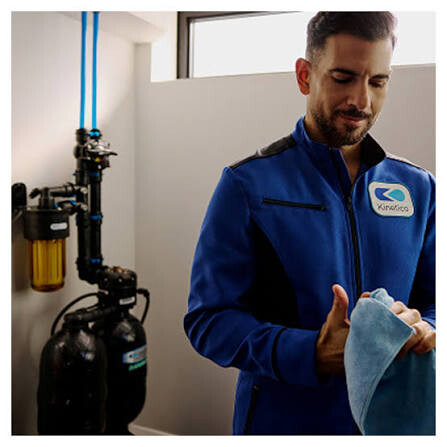
Point-of-use systems treat water at a particular tap, often the kitchen sink. Whole-house systems treat water entering the property and may be appropriate for certain problems affecting multiple outlets. Neither option is automatically better; the right choice depends on the contaminant, household needs, installation costs, and ongoing maintenance.
Remember that filters are not permanent solutions without upkeep. Cartridges and membranes need replacement, and poorly maintained equipment may stop performing as expected. Keep service records and retest when recommended, particularly when treating a contaminant that can pose a health risk.
Make Water Safety Part of Your Home Routine
Water quality can feel complicated, especially when unfamiliar chemical names and technical test results enter the picture. Still, protecting your household doesn’t need to become an overwhelming project. Begin by learning about your water source, checking available reports, and arranging appropriate testing when necessary.
If a result raises concern, seek advice from a qualified laboratory, public health authority, or experienced water treatment professional. Avoid choosing equipment based on dramatic sales claims or assuming that one filter can solve every problem. Related: Emergency Tree Removal in Lakeland, FL: Protect Your Property From Dangerous Trees
The goal isn’t to worry about every glass of water. It’s to replace guesswork with reliable information. With sensible testing, suitable treatment, and regular maintenance, homeowners can make informed decisions and feel more confident about the water they use every day.