Home ServicesOct 30
When Water Treatment Problems Can’t Wait: Knowing What to Do Next
Most homeowners don't give their water treatment equipment much thought until something goes wrong. The water tastes different, a filter…
6 min read↗

Fresh reporting and useful perspective from Expressimpactz.
Most homeowners don't give their water treatment equipment much thought until something goes wrong. The water tastes different, a filter…
Most homeowners don't think much about their water until something changes. Maybe white spots begin appearing on the shower door,…
Most people don't think much about their plumbing when everything is working as it should. The shower gets hot, the…
Most of us turn on the kitchen tap without giving it a second thought. We fill a glass, make coffee,…
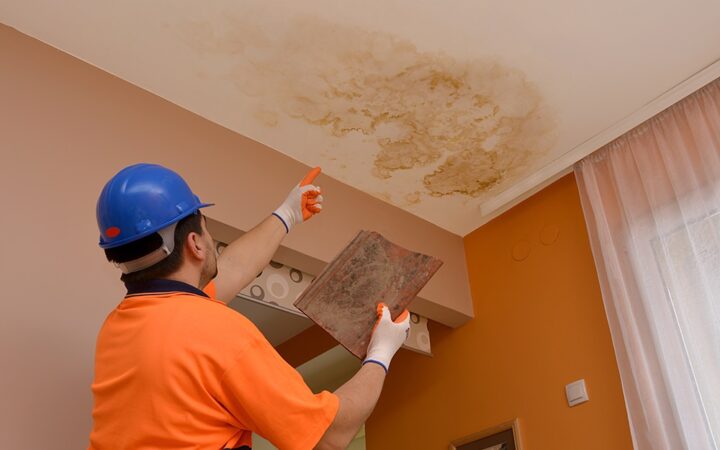
Water damage can spread beyond the place where a leak first appears. Moisture may travel behind baseboards, beneath flooring, into insulation, or through ceiling cavities before the visible signs become obvious. Stains and peeling paint are only part of the picture; damp building materials can weaken, finishes can fail, and lingering moisture can create conditions for microbial growth. A careful response starts with safety and source control. When arranging water damage repair in Bellingham, WA, it is important to separate emergency steps from the rebuilding work that follows. The first priorities are to stop the water when safe, protect people from electrical or structural hazards, and determine how far moisture has spread. Replacing damaged drywall or flooring before the area is properly assessed and dried can trap moisture and lead to recurring problems. What to Do Immediately After Water Intrusion If a pipe has burst, shut off the water supply if you can reach the valve safely. Do not walk through standing water when electrical hazards are possible. If the water comes from a storm, roof opening, or flood, keep people away from unstable ceilings and damaged structures. Document visible damage with photos and make a note of when the incident occurred, what caused it, and which rooms were affected. Contact your insurer promptly if you plan to make a claim, but do not delay urgent measures needed to protect people and prevent further damage. Identify the Water Source and Category A clean supply-line leak differs from water that has passed through a drain, sewer, or floodwater. The restoration industry classifies water damage into three categories: Category 1 (clean water), Category 2 (gray water containing significant contamination), and Category 3 (black water that is grossly contaminated and may contain harmful pathogens). Do not assume water is clean based only on its appearance. If the source is uncertain, describe the circumstances to the restoration professional and avoid direct contact until the hazard is assessed. The source must be corrected before reconstruction. That may mean plumbing repair, roof work, window or flashing repairs, appliance servicing, or improvements to exterior drainage. If the same water path remains open, new flooring, drywall, and trim can be damaged again. Ask which trade is responsible for source repair and how completion will be confirmed before rebuilding begins. Why Moisture Assessment and Drying Matter Water can remain inside wall cavities and porous materials after the surface feels dry. Drying may involve air movement, dehumidification, and selective removal of materials that cannot be safely restored. The method depends on the amount of water, how long materials were wet, and the building components involved. Drying should be guided by measured conditions, not simply by the number of fans used or the passage of a day or two. Ask the restoration professional to use moisture meters and provide documented moisture readings to show drying progress and help confirm when materials have reached appropriate moisture levels. The U.S. Environmental Protection Agency (EPA) recommends drying water-damaged areas and items within 24–48 hours to help prevent mold growth. This is a prevention target, not a guarantee that mold will develop only after that period or that every material can be safely dried within it. Where microbial growth is suspected, appropriate containment and remediation practices may be needed. Professional water damage restoration should follow the ANSI/IICRC S500 Standard for Professional Water Damage Restoration, while mold remediation should follow the ANSI/IICRC S520 Standard for Professional Mold Remediation, as applicable. People with respiratory sensitivities should avoid entering affected work zones unless they have been cleared for safe access. Planning the Repair and Reconstruction Once the area is safe, the water source is controlled, and drying or removal decisions are made, the repair scope can be developed. Not every stained material requires replacement, and not every material can be saved. Ask for an explanation of what will be removed, what can be restored, and how the decision was reached. Coordinate reconstruction with any required plumbing, roofing, electrical, or structural work. Keep receipts, photographs, inspection notes, and written estimates together for insurance and future maintenance records. Ask the contractor to identify exclusions and explain how concealed damage will be handled if discovered during demolition. Reducing the Risk of Future Damage Inspect supply hoses, visible plumbing connections, roof penetrations, window seals, and appliance areas periodically. Check grading for areas that send water toward the home, and address recurring basement dampness rather than masking it with paint. A small leak caught early is generally easier to manage than moisture that remains hidden for weeks. Conclusion Effective water damage recovery depends on safety, source control, thorough moisture assessment, and repairs that fit the condition of the building. If your Bellingham property has experienced a leak or water intrusion, document the damage and seek a qualified evaluation before closing affected areas. A clear plan helps restore the home while reducing the chance that hidden moisture will undermine the finished work.
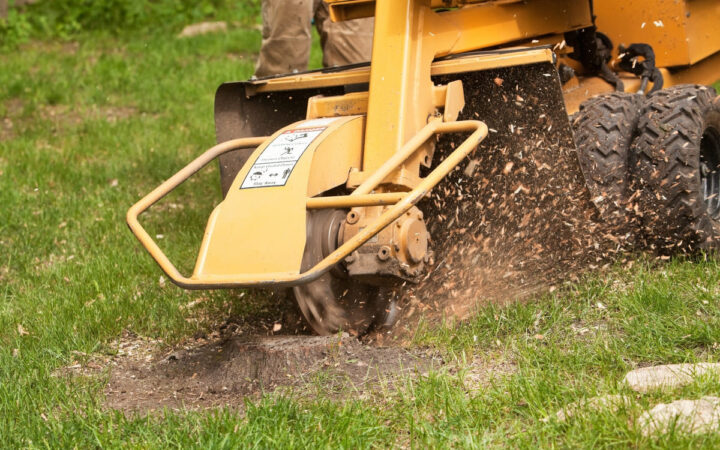
Severe weather, weakened branches, and unstable tree trunks can create unexpected hazards for homeowners in Lakeland, Florida. Strong winds and heavy rainfall can cause trees to lean, branches to break, or entire trees to fall onto roofs, driveways, fences, and power lines. Even without a major storm, internal decay and damaged root systems can make a tree dangerous. Recognizing these warning signs early helps you make informed decisions about protecting your family and property. When a tree presents an immediate safety risk, emergency tree removal in Lakeland, FL provides a way to address the hazard before it causes further damage. The appropriate response depends on the tree's condition, its proximity to structures, and the surrounding environment. Understanding when to seek professional assistance, what to do while waiting, and how to prevent future problems helps you respond more confidently during a tree emergency. When Does a Tree Become an Emergency? Not every damaged tree requires immediate removal. However, certain conditions indicate that professional assessment should not be delayed. Trees Leaning Suddenly A tree that develops a new lean after heavy rain or strong winds might have a compromised root system. Raised soil around the base, exposed roots, or cracks in the ground can indicate that the tree is becoming unstable. Stay away from the tree and keep others clear of the surrounding area. Do not attempt to straighten or secure a large tree yourself. Large Broken or Hanging Branches Broken branches suspended above roofs, walkways, parking areas, or entrances can fall without warning. These hazards become especially concerning when the damaged branch is large or remains partially attached to the tree. Avoid walking beneath hanging branches. Have a qualified tree professional evaluate the situation and determine whether removal or other corrective work is appropriate. Trees Damaged by Storms Lakeland experiences seasonal thunderstorms and periods of heavy rainfall. Hurricane season in Florida officially runs from June 1 through November 30, bringing an increased risk of damaging winds, heavy rain, and falling trees. Strong winds can split trunks, break major limbs, and damage roots, leaving trees structurally compromised. A tree that appears upright after a storm is not necessarily safe. Hidden cracks and root damage can increase the risk of failure later. What to Do When a Tree Poses an Immediate Threat Your first priority should be safety, not cleanup. Follow these steps when you identify a potentially dangerous tree: A. Keep family members, visitors, and pets away from the affected area. B. Move vehicles away from the potential fall zone if it is safe to do so. C. Do not climb the tree or attempt to cut heavy branches. D. Photograph visible damage from a safe distance for documentation. These photographs can also support a homeowner insurance claim if the tree has damaged an insured structure. Document the damage before cleanup when it is safe to do so, and contact your insurance provider to confirm your policy's coverage and claim requirements.…
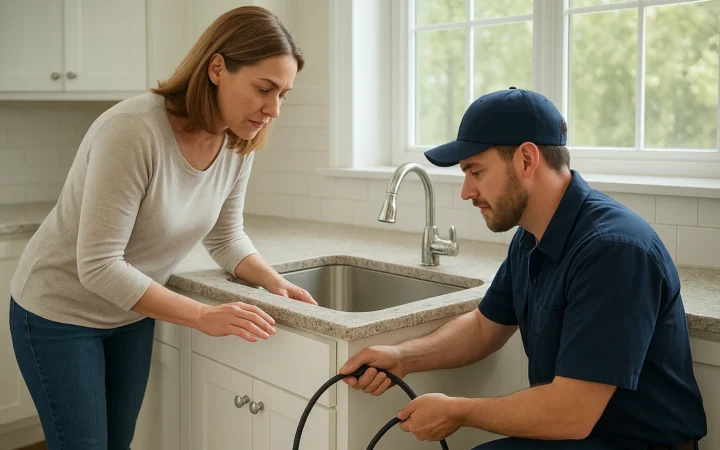
A properly functioning drainage system removes wastewater efficiently from sinks, showers, tubs, and household appliances. When a drain becomes clogged, water can move slowly, unpleasant odors can develop, and everyday tasks become frustrating. Ignoring these symptoms can allow a blockage to worsen or reveal a deeper problem within the plumbing system. Understanding what causes clogs and when professional attention is necessary helps protect your home from avoidable plumbing complications. For homeowners who need drain cleaning in Franklin, WI, early intervention is particularly useful when several fixtures begin draining slowly or recurring blockages appear. Hair, grease, soap residue, food particles, and foreign objects can accumulate inside pipes. Outdoor drainage lines can also develop problems because of root intrusion, damaged pipes, or accumulated debris. Identifying the source helps determine the most appropriate cleaning method. Warning Signs of a Clogged Drain Drain problems often begin with subtle changes before developing into complete blockages. Slow-Draining Water If water takes longer than usual to disappear from a sink, bathtub, or shower, debris might be restricting the pipe. A single slow fixture can indicate a localized clog, while several affected fixtures might point to a problem in a shared drain or main sewer line. Gurgling Sounds Bubbling or gurgling noises can indicate restricted drainage or changes in air movement through the plumbing system. These sounds deserve attention when they occur alongside slow drains or unusual water movement. Unpleasant Odors Persistent sewer-like smells near drains can result from plumbing problems, dry drain traps, or other conditions that allow odors to enter the home. Cleaning the drain might help with some causes, but recurring odors require investigation to identify the underlying issue. Multiple Backed-Up Fixtures When toilets, tubs, or sinks in different areas of the house drain poorly at the same time, the problem might involve a larger shared line. Stop using affected fixtures if wastewater begins backing up, especially when sewage is involved. Contact a qualified plumber promptly to limit exposure and prevent additional water damage. Common Causes of Household Drain Blockages Different drains collect different materials, so prevention begins with understanding what enters each pipe. Kitchen drains: Cooking grease, oils, food scraps, and starchy residues can accumulate inside pipes. Grease may flow while hot but cool and adhere to pipe surfaces as it travels through the system. Bathroom drains: Hair, soap residue, shaving products, and other personal care materials frequently collect near drain openings and inside traps. Toilet drains: Excessive toilet paper and items that should not be flushed can create blockages. Products labeled flushable do not necessarily break down as readily as toilet paper. Outdoor and sewer lines: Tree roots can enter existing cracks or joints in underground pipes. Shifting soil, pipe deterioration, and accumulated debris can also restrict wastewater flow. Identifying the material responsible for a blockage helps determine whether routine cleaning, mechanical removal, or additional inspection is needed.…
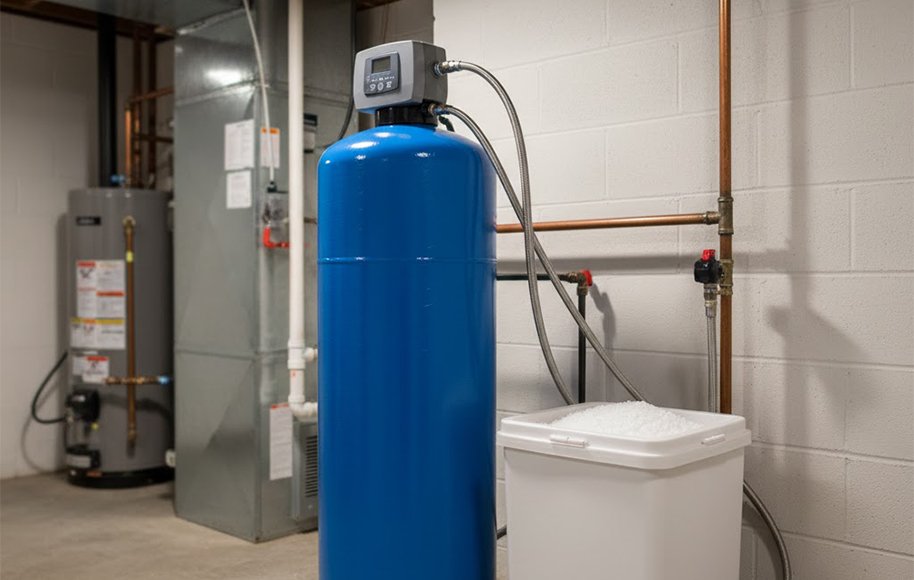
A water treatment system can be a great addition to a home, but buying the equipment is only part of…
Water is one of those household essentials that quietly shapes your routine. You notice it when the shower feels refreshing,…
Water is something most people use every day without giving it much thought. We drink it, cook with it, wash…