A properly functioning drainage system removes wastewater efficiently from sinks, showers, tubs, and household appliances. When a drain becomes clogged, water can move slowly, unpleasant odors can develop, and everyday tasks become frustrating. Ignoring these symptoms can allow a blockage to worsen or reveal a deeper problem within the plumbing system. Understanding what causes clogs and when professional attention is necessary helps protect your home from avoidable plumbing complications.
For homeowners who need drain cleaning in Franklin, WI, early intervention is particularly useful when several fixtures begin draining slowly or recurring blockages appear. Hair, grease, soap residue, food particles, and foreign objects can accumulate inside pipes. Outdoor drainage lines can also develop problems because of root intrusion, damaged pipes, or accumulated debris. Identifying the source helps determine the most appropriate cleaning method.
Warning Signs of a Clogged Drain
Drain problems often begin with subtle changes before developing into complete blockages.
Slow-Draining Water
If water takes longer than usual to disappear from a sink, bathtub, or shower, debris might be restricting the pipe. A single slow fixture can indicate a localized clog, while several affected fixtures might point to a problem in a shared drain or main sewer line.
Gurgling Sounds
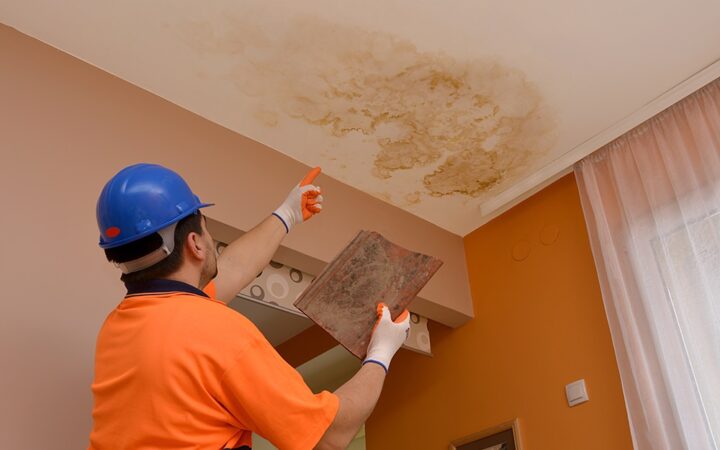
Bubbling or gurgling noises can indicate restricted drainage or changes in air movement through the plumbing system. These sounds deserve attention when they occur alongside slow drains or unusual water movement. Related: Water Damage Repair in Bellingham, WA: Steps to Protect Your Home
Unpleasant Odors
Persistent sewer-like smells near drains can result from plumbing problems, dry drain traps, or other conditions that allow odors to enter the home. Cleaning the drain might help with some causes, but recurring odors require investigation to identify the underlying issue.
Multiple Backed-Up Fixtures
When toilets, tubs, or sinks in different areas of the house drain poorly at the same time, the problem might involve a larger shared line.
Stop using affected fixtures if wastewater begins backing up, especially when sewage is involved. Contact a qualified plumber promptly to limit exposure and prevent additional water damage.
Common Causes of Household Drain Blockages
Different drains collect different materials, so prevention begins with understanding what enters each pipe.
Kitchen drains: Cooking grease, oils, food scraps, and starchy residues can accumulate inside pipes. Grease may flow while hot but cool and adhere to pipe surfaces as it travels through the system.
Bathroom drains: Hair, soap residue, shaving products, and other personal care materials frequently collect near drain openings and inside traps. Related: Emergency Tree Removal in Lakeland, FL: Protect Your Property From Dangerous Trees
Toilet drains: Excessive toilet paper and items that should not be flushed can create blockages. Products labeled flushable do not necessarily break down as readily as toilet paper.
Outdoor and sewer lines: Tree roots can enter existing cracks or joints in underground pipes. Shifting soil, pipe deterioration, and accumulated debris can also restrict wastewater flow.
Identifying the material responsible for a blockage helps determine whether routine cleaning, mechanical removal, or additional inspection is needed.
Why Professional Drain Cleaning Matters in Franklin, WI
A plunger or suitable drain tool can sometimes clear a minor obstruction near a fixture. However, recurring clogs, multiple affected drains, and persistent odors often require a more thorough evaluation.
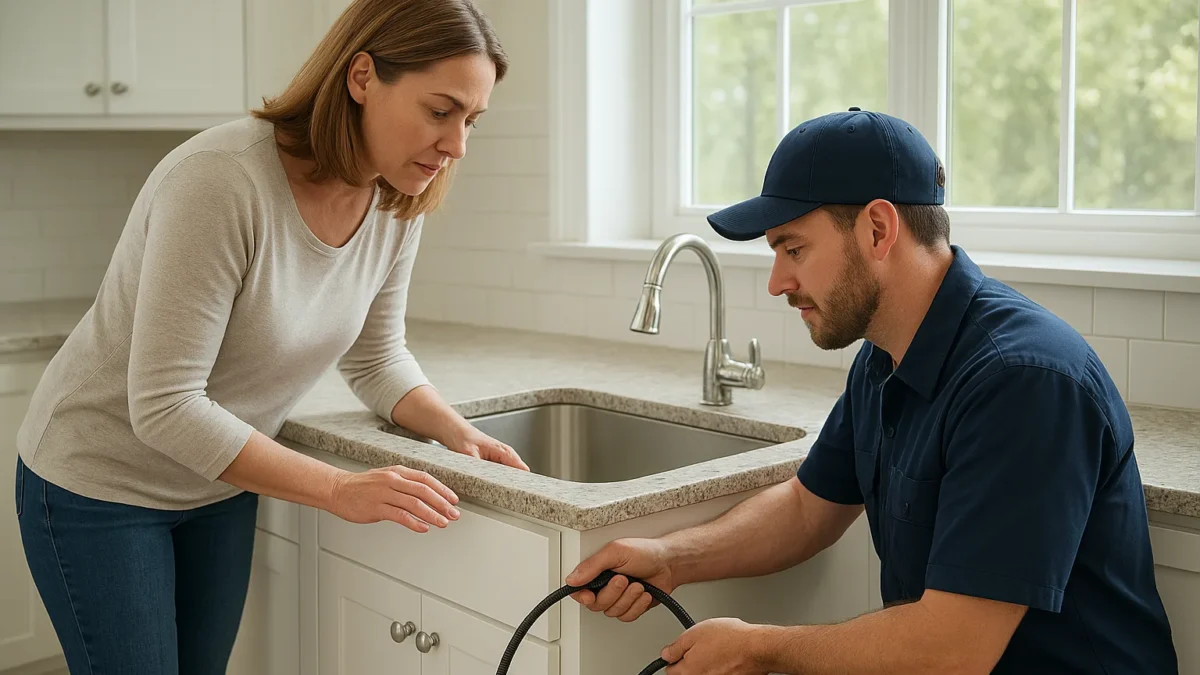
Professional drain cleaning begins with identifying the location and likely cause of the blockage. Depending on the situation, a plumber might use mechanical drain-cleaning equipment, specialized tools, or a camera inspection to examine the pipe interior.
For localized clogs caused by hair, soap residue, or other obstructions, drain snaking or cabling uses a flexible cable to break through or remove the blockage. For suitable pipes with substantial grease, scale, or other accumulated deposits, hydro jetting uses pressurized water to clean buildup from pipe walls. The appropriate method depends on the type and location of the blockage and the condition of the plumbing system.
A sewer camera inspection is particularly useful when clogs repeatedly return or root intrusion is suspected. A plumber can feed a specialized camera into the drain line to locate blockages, identify root growth, and check for cracks, damage, or other structural problems. Related: What a Good Water Treatment Installation Really Looks Like in Trinity
The main line cleanout is an access point that allows a plumber to reach the main drain or sewer line for cleaning and inspection. Homeowners may find it near the home’s foundation, in a basement or utility area, or outside near the building. Its location varies by property, and a plumber can help identify the correct access point.
Avoid combining chemical drain cleaners or using them contrary to their labels. These products can damage certain pipes, seals, and plumbing components, create hazardous reactions when mixed with other substances, and pose risks to anyone who later works on the drain. For recurring or stubborn clogs, mechanical cleaning or professional assessment is generally a more appropriate approach than repeatedly applying chemical cleaners.
Simple Ways to Prevent Future Clogs
Everyday habits can reduce the amount of debris entering your plumbing.
A. Install suitable drain screens to catch hair and food particles.
B. Dispose of cooking grease in an appropriate container rather than pouring it down the sink.
C. Scrape food scraps into the trash before washing dishes.
D. Flush only human waste and toilet paper. Related: Why Softer Water Can Make Everyday Life Feel a Little Easier
E. Clean removable drain covers regularly.
F. Address slow drainage before it develops into a complete blockage.
G. Avoid placing harsh chemicals or unsuitable materials into household drains.
If your home has a history of sewer line problems, ask a plumber whether periodic inspections are appropriate. For properties with known root intrusion or recurring buildup, scheduled drain cleaning or preventive hydro jetting may help reduce repeat blockages. A sewer camera inspection can help determine whether preventive cleaning is worthwhile and how frequently it should be performed.
When to Call a Professional
Seek professional help when several drains back up together, wastewater enters a bathtub or floor drain, clogs return repeatedly, or water begins leaking around plumbing fixtures.
In Franklin, seasonal temperature changes can also affect vulnerable plumbing. If drainage problems occur alongside frozen or damaged pipes, avoid attempting repairs that could worsen the condition.
A prompt assessment helps determine whether the issue requires drain snaking or cabling, hydro jetting, a sewer camera inspection, pipe repair, or another corrective measure.
Keep Your Franklin Plumbing System Flowing Related: Finding the Right Water Treatment Solution for a Cleaner, Healthier Home
Healthy drains depend on proper waste disposal, regular attention, and timely treatment when blockages develop. Recognizing warning signs early helps prevent minor drainage problems from disrupting your household.
If you need drain cleaning in Franklin, WI, schedule a professional assessment to identify the blockage, select an appropriate cleaning method, and receive practical recommendations for preventing recurring clogs.