
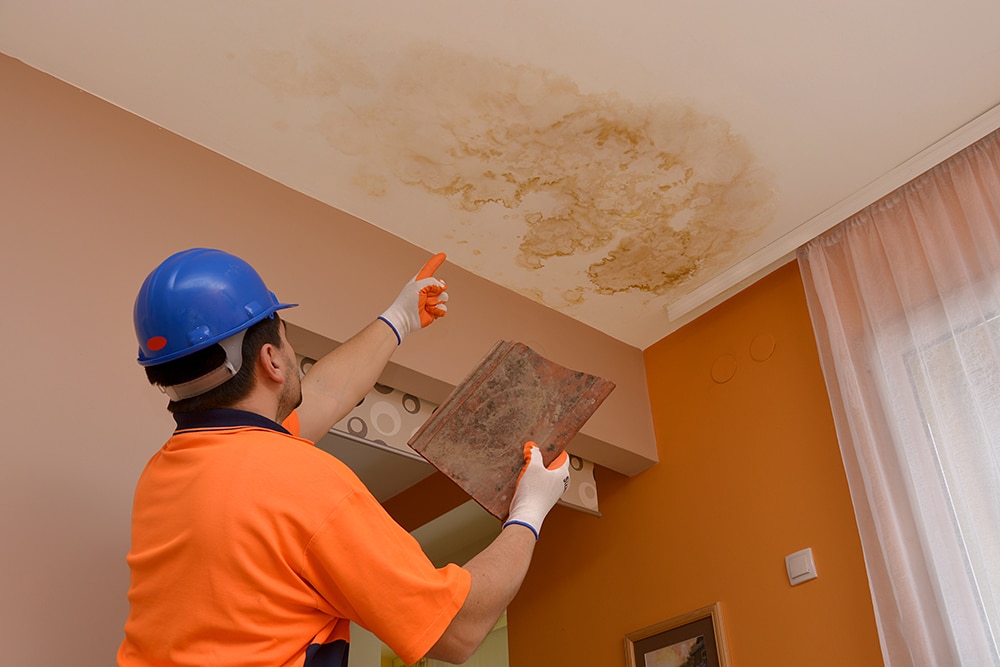
Water damage can spread beyond the place where a leak first appears. Moisture may travel behind baseboards, beneath flooring, into insulation, or through ceiling cavities before the visible signs become obvious. Stains and peeling paint are only part of the picture; damp building materials can weaken, finishes can fail, and lingering moisture can create conditions for microbial growth. A careful response starts with safety and source control.
When arranging water damage repair in Bellingham, WA, it is important to separate emergency steps from the rebuilding work that follows. The first priorities are to stop the water when safe, protect people from electrical or structural hazards, and determine how far moisture has spread. Replacing damaged drywall or flooring before the area is properly assessed and dried can trap moisture and lead to recurring problems.
What to Do Immediately After Water Intrusion Related: Ipoh, Made Simple
If a pipe has burst, shut off the water supply if you can reach the valve safely. Do not walk through standing water when electrical hazards are possible. If the water comes from a storm, roof opening, or flood, keep people away from unstable ceilings and damaged structures.
Document visible damage with photos and make a note of when the incident occurred, what caused it, and which rooms were affected. Contact your insurer promptly if you plan to make a claim, but do not delay urgent measures needed to protect people and prevent further damage.
Identify the Water Source and Category Related: 3D Modeling in Salt Lake City, UT: Turning Concepts Into Clear Visuals
A clean supply-line leak differs from water that has passed through a drain, sewer, or floodwater. The restoration industry classifies water damage into three categories: Category 1 (clean water), Category 2 (gray water containing significant contamination), and Category 3 (black water that is grossly contaminated and may contain harmful pathogens). Do not assume water is clean based only on its appearance. If the source is uncertain, describe the circumstances to the restoration professional and avoid direct contact until the hazard is assessed.
The source must be corrected before reconstruction. That may mean plumbing repair, roof work, window or flashing repairs, appliance servicing, or improvements to exterior drainage. If the same water path remains open, new flooring, drywall, and trim can be damaged again. Ask which trade is responsible for source repair and how completion will be confirmed before rebuilding begins.
Why Moisture Assessment and Drying Matter
Water can remain inside wall cavities and porous materials after the surface feels dry. Drying may involve air movement, dehumidification, and selective removal of materials that cannot be safely restored. The method depends on the amount of water, how long materials were wet, and the building components involved. Related: Barndominium for Sale in Burnet, TX: What Buyers Should Know
Drying should be guided by measured conditions, not simply by the number of fans used or the passage of a day or two. Ask the restoration professional to use moisture meters and provide documented moisture readings to show drying progress and help confirm when materials have reached appropriate moisture levels. The U.S. Environmental Protection Agency (EPA) recommends drying water-damaged areas and items within 24–48 hours to help prevent mold growth. This is a prevention target, not a guarantee that mold will develop only after that period or that every material can be safely dried within it. Where microbial growth is suspected, appropriate containment and remediation practices may be needed. Professional water damage restoration should follow the ANSI/IICRC S500 Standard for Professional Water Damage Restoration, while mold remediation should follow the ANSI/IICRC S520 Standard for Professional Mold Remediation, as applicable. People with respiratory sensitivities should avoid entering affected work zones unless they have been cleared for safe access.
Planning the Repair and Reconstruction
Once the area is safe, the water source is controlled, and drying or removal decisions are made, the repair scope can be developed. Not every stained material requires replacement, and not every material can be saved. Ask for an explanation of what will be removed, what can be restored, and how the decision was reached. Related: Emergency Tree Removal in Lakeland, FL: Protect Your Property From Dangerous Trees
Coordinate reconstruction with any required plumbing, roofing, electrical, or structural work. Keep receipts, photographs, inspection notes, and written estimates together for insurance and future maintenance records. Ask the contractor to identify exclusions and explain how concealed damage will be handled if discovered during demolition.
Reducing the Risk of Future Damage
Inspect supply hoses, visible plumbing connections, roof penetrations, window seals, and appliance areas periodically. Check grading for areas that send water toward the home, and address recurring basement dampness rather than masking it with paint. A small leak caught early is generally easier to manage than moisture that remains hidden for weeks. Related: Drain Cleaning in Franklin, WI: How to Prevent Clogs and Protect Your…
Conclusion
Effective water damage recovery depends on safety, source control, thorough moisture assessment, and repairs that fit the condition of the building. If your Bellingham property has experienced a leak or water intrusion, document the damage and seek a qualified evaluation before closing affected areas. A clear plan helps restore the home while reducing the chance that hidden moisture will undermine the finished work.