Water is one of those household essentials that quietly shapes your routine. You notice it when the shower feels refreshing, when the dishwasher leaves glasses sparkling, or when laundry comes out soft and comfortable. You also notice it when things don’t quite work the way they should.
Maybe there are white marks around the faucet. Perhaps soap doesn’t seem to lather properly, or your favorite towel feels rough after a few washes. These little annoyances can have a common cause: hard water.
Hard water isn’t unusual. In fact, many homes receive water containing naturally occurring minerals picked up as groundwater moves through rock and soil. The problem isn’t that these minerals are automatically harmful. It’s that they can leave deposits and make household chores, plumbing maintenance, and appliance care more difficult over time.
What Makes Water Hard?
The main minerals responsible for hardness are calcium and magnesium. They occur naturally and can enter groundwater as water passes through mineral-rich soil and rock.
You usually won’t see these minerals floating around in a glass. Instead, their presence becomes apparent through the effects they leave behind.
White scale around faucets is one common example. You may also notice spots on dishes, deposits inside showerheads, or a film that seems to appear on bathroom surfaces no matter how often you clean them. Related: What a Good Water Treatment Installation Really Looks Like in Trinity
Hard water can also affect the way soap behaves. Minerals interact with soap and can make it harder to produce a satisfying lather. As a result, you might find yourself using more soap, shampoo, or detergent than you expected.
Why Hard Water Can Make Cleaning a Chore
Nobody enjoys cleaning the same surface twice.
When mineral-rich water dries on a faucet, shower door, or sink, it can leave behind a visible residue. Over time, that residue may become harder to remove.
You might reach for a stronger cleaner, scrub a little harder, and feel pleased with the result—until the spots return a few days later. It’s a frustrating cycle.
Reducing the hardness of the water can help minimize the amount of scale being deposited in the first place. That doesn’t mean you’ll never clean your bathroom again, unfortunately. It simply means some of those stubborn mineral marks may become less of a constant battle.
For busy households, that small difference can be surprisingly welcome.
What Happens to Your Laundry?
Hard water doesn’t only affect sinks and showers. Your washing machine deals with it every time you run a load.
Minerals can interfere with detergents and make rinsing less effective. Some people notice that clothes feel rougher or that towels aren’t as absorbent as they used to be. Related: Finding the Right Water Treatment Solution for a Cleaner, Healthier Home
Over time, fabric can lose some of that fresh, comfortable feeling. You might even start adding more detergent, assuming you’re simply not using enough.
But more detergent isn’t always the answer. If the water itself is hard, increasing the amount of soap doesn’t remove the minerals from the equation.
Softening the household water can help detergents work more effectively and may make laundry easier to manage.
Your Appliances Notice the Difference Too
Water-using appliances have to deal with whatever comes through the plumbing.
Coffee makers, dishwashers, washing machines, humidifiers, and water heaters can all develop mineral deposits over time. Water heaters are particularly worth watching because scale can accumulate inside the tank and around heating components.
The effect usually isn’t immediate. That’s part of the reason hard water problems are easy to ignore. A few deposits today don’t seem important. But repeated exposure over years can contribute to reduced efficiency and more frequent maintenance.
If your appliances seem to need attention more often than expected, it’s worth considering whether water quality is one of the contributing factors.
The Appeal of Softer Water
For many homeowners, the biggest attraction is simply everyday convenience. Related: Why Cleaner Water Changes the Feel of a Home More Than People…
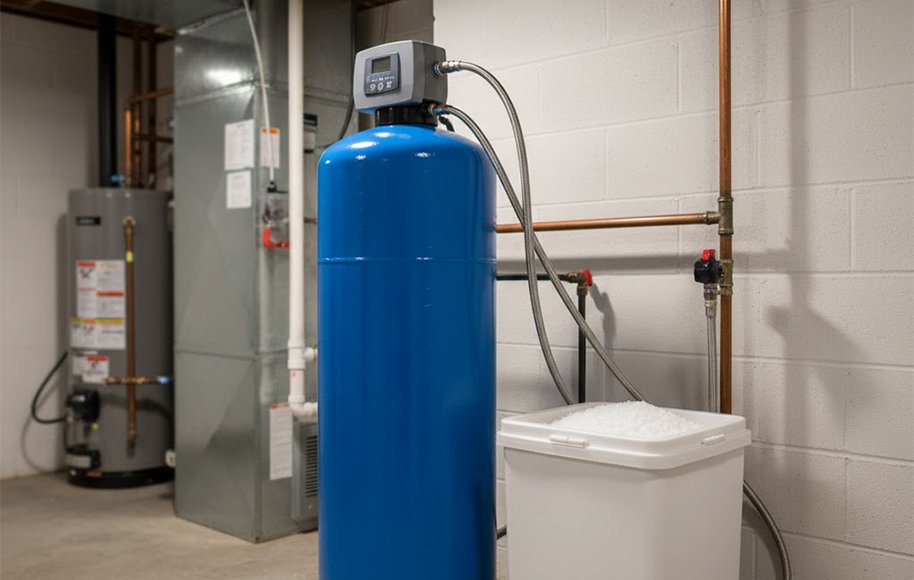
Softer water can reduce the minerals responsible for scale, helping keep fixtures cleaner and allowing soap to perform more effectively. Showerheads may stay clearer, dishes can show fewer spots, and laundry may feel different.
There can also be benefits for plumbing and appliances because there is less mineral material available to accumulate in certain parts of the system.
Of course, results depend on the water quality, the equipment used, and how well the system is maintained. A water softener isn’t a magic wand, and it doesn’t address every possible water-quality concern.
That’s why testing should come first.
Start With a Water Test
Before buying treatment equipment, find out how hard your water actually is.
A water test can measure hardness and provide useful information about other characteristics. This is particularly important for homes using private wells, where water conditions can vary considerably.
Testing prevents guesswork. You don’t want to buy an expensive system because someone said it worked wonderfully for them, only to discover that your water has a completely different issue.
Once you know the hardness level and understand your household’s water consumption, you can make a more sensible decision about treatment.
Modern Treatment Is More Convenient Than It Used to Be
Water treatment has come a long way. Today’s systems can be designed around household size, water usage, hardness levels, and maintenance preferences. Related: The Part No One Talks About: Keeping Your Water System Working Like…
Some equipment uses advanced technology to monitor water consumption, automate regeneration, or make system operation more efficient. Smart controls can take some of the guesswork out of maintenance, although no system is completely hands-off.
When comparing equipment, look beyond the initial price. Consider installation, ongoing maintenance, replacement parts, water consumption, and expected service life.
The cheapest system isn’t necessarily the best bargain.
Maintenance Still Matters
Even a good water softener needs attention.
Salt or regenerant levels may need checking depending on the system. Components should be inspected, and manufacturers’ maintenance recommendations should be followed. If water quality or pressure suddenly changes, investigate rather than assuming everything is operating normally.
For private wells, periodic testing remains important because water conditions can change.
A treatment system is an investment in your home, so treat it that way.
A Small Change With Everyday Benefits
Hard water may not be the most dramatic household problem, but its effects can add up. More scrubbing, spotted dishes, rough laundry, mineral deposits, and appliance maintenance all take time and money.
The first step isn’t necessarily installing a softener. It’s understanding your water. Related: The One Simple Habit That Keeps Your Home Systems From Letting You…
Test it, identify the actual problem, and then explore treatment options that fit your home. If hardness is the issue, reducing calcium and magnesium can make a noticeable difference in the way water behaves around the house.
You may not think about your water every morning. And honestly, that’s the goal. When the right treatment is in place and properly maintained, water simply does its job—quietly, reliably, and with a little less hassle along the way.