A comfortable home is often built around things we barely notice when they’re working properly. Reliable heating, dependable appliances, and a steady supply of good-quality water are all part of that picture. But when water starts leaving stains around bathroom fixtures or giving your morning coffee an unpleasant taste, it’s difficult to ignore.
Investing in appropriate home water treatment and filtration can help address these recurring problems while making everyday household activities more convenient and enjoyable.
However, improving water quality doesn’t necessarily mean purchasing the most advanced system available.
Sometimes, a carefully selected filter is enough. Other households may require several treatment stages. Understanding your water supply and identifying what genuinely needs improvement can help you make a decision that offers lasting value.
Taking a Closer Look at Your Household Water
Have you ever wondered why water tastes different when you visit someone else’s home? Or why certain properties seem to experience more mineral buildup than others?
Water characteristics depend on its source, the surrounding environment, treatment processes, and household plumbing.
Calcium and magnesium contribute to hardness, while naturally occurring iron may cause reddish-brown stains. Suspended particles can affect water clarity, and certain disinfectants may influence taste and odor. Related: Better Water in Every Room: Why Whole-House Filtration Makes Sense for Modern…
These differences explain why effective filtration for household water quality should be based on actual water conditions rather than assumptions about what a typical home requires.
Appropriate testing can help identify which substances deserve attention.
It’s also worth remembering that clear water isn’t necessarily safe water. Some potentially harmful contaminants cannot be detected through appearance, taste, or smell alone.
Why Treating Water at Its Entry Point Makes Sense
Installing a small filter at the kitchen faucet can be useful, but it doesn’t address water quality concerns elsewhere in your home.
What about the bathroom shower, washing machine, or water heater?
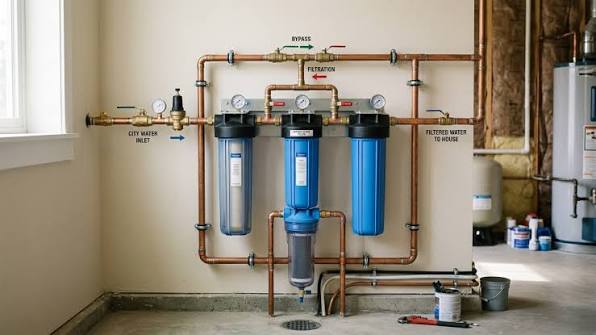
Homeowners exploring whole-home filtration solutions can consider centralized systems that treat incoming water before it reaches connected household fixtures and appliances.
Depending on the equipment selected, this approach may help reduce sediment, certain undesirable odors, and other targeted substances throughout the property.
It also offers the convenience of maintaining treatment equipment in one location instead of managing several individual filters.
For busy households, that simplicity can be particularly appealing.
Nevertheless, centralized filtration should be appropriately sized to accommodate peak water demand without unnecessarily restricting water flow. Related: When Water Treatment Problems Can’t Wait: Knowing What to Do Next
Finding the Right Combination of Treatment Technologies
Water treatment becomes easier to understand once you recognize that different technologies perform different jobs.
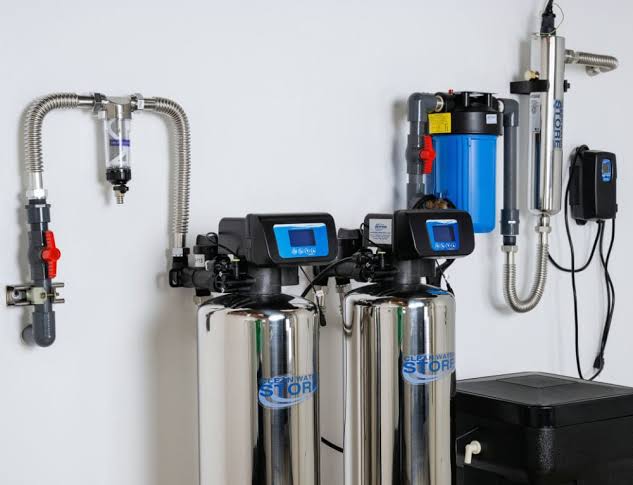
A sediment filter captures suspended materials, including sand and rust particles. Activated carbon filtration can reduce certain unwanted tastes, odors, and contaminants.
Conventional water softeners address hardness minerals through ion exchange, helping limit future scale formation.
Reverse osmosis provides more specialized treatment for various dissolved substances, particularly in drinking water applications.
Some properties may also benefit from ultraviolet disinfection to address microbial risks under appropriate operating conditions.
The trick is finding the right combination rather than installing everything available.
For example, a household struggling mainly with mineral deposits might gain little from purchasing an ordinary carbon filter alone.
Reliable testing and professional guidance can help homeowners avoid these mismatched investments.
How Better Water Can Change Everyday Household Routines
Some home improvements announce themselves immediately. Water treatment tends to be a little quieter.
You might notice that your morning tea tastes more enjoyable or that bathroom fixtures require less frequent cleaning after excessive hardness has been addressed. Related: Finding the Right Water Treatment Partner for Your Home
Soap may lather more readily, and certain appliances might need less frequent descaling.
These small differences become meaningful when you consider how often everyday household tasks are repeated.
There’s also something convenient about having appropriately filtered drinking water available directly from the kitchen faucet instead of constantly purchasing bottled water.
Results naturally depend on incoming water characteristics and the treatment equipment installed.
Nevertheless, addressing persistent water problems can make a surprisingly noticeable difference to household comfort.
Protecting the Appliances You Already Own
Replacing a water heater or dishwasher can be expensive, particularly when the breakdown happens unexpectedly.
Water quality is one factor that may influence appliance performance and maintenance requirements.
Hardness-related scale can accumulate on heating surfaces, potentially interfering with heat transfer. Suspended particles may also collect inside certain plumbing components.
Suitable filtration and softening can help limit future accumulation, although existing deposits might require separate cleaning or servicing.
Think of water treatment as another form of preventive home maintenance. Related: Keeping Your Plumbing Reliable Through Better Planning and Timely Repairs
Looking after the water flowing through your appliances may help reduce certain recurring maintenance concerns while protecting investments you’ve already made.
Considering Installation and Long-Term Maintenance
The initial purchase price shouldn’t be the only factor influencing your decision.
Water treatment systems require suitable installation space, adequate incoming pressure, and convenient access for maintenance.
Sediment cartridges need replacement, carbon media eventually lose their treatment capacity, and conventional softeners require periodic salt replenishment.
Ask about these responsibilities before purchasing equipment.
It’s also sensible to consider replacement component availability and anticipated operating expenses.
Private well owners should continue arranging appropriate laboratory testing, especially for microbial contamination and other relevant substances.
A dependable maintenance routine helps preserve treatment effectiveness and prevents equipment from becoming another neglected household responsibility.
Making Good Water a Priority for Your Home
Improving household water quality doesn’t need to become an expensive or overwhelming undertaking.
Begin with appropriate testing, identify the problems that genuinely affect your family, and choose treatment equipment with verified performance. Related: What Every Homeowner Should Know About Hidden Risks in Drinking Water
A suitable system should complement your lifestyle rather than complicate it.
After all, your home is where you prepare meals, relax after work, and spend time with the people who matter most. Having water that meets your household’s needs is a simple but meaningful part of creating a comfortable living environment.
And sometimes, those quiet improvements are the ones you appreciate most over the years.