Ever noticed odd stains on your bathroom fixtures or that weird metallic tang in your water? You’re not alone. Many homeowners shrug off subtle signs that their tap water might be doing more harm than good. But here’s the deal: beneath the surface, water that looks clean can be quietly eating away at your plumbing, your health, and your peace of mind.
Let’s walk through a few of the sneaky culprits that could be causing more trouble than you think.
When Your Water Leaves Clues: Watch Out for Blue-Green Stains
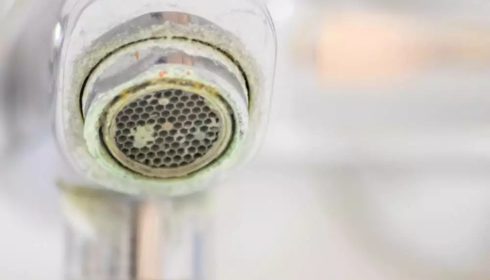
You wake up, stumble into the bathroom, flip on the light, and there it is again—those mysterious blue-green streaks on your sink or toilet bowl. At first, they seem harmless. Maybe you thought it was just your cleaning schedule slipping. Related: What a Good Water Treatment Installation Really Looks Like in Trinity
But those blue-green stains are actually one of the biggest red flags your water is sending you.
They’re not just ugly. They’re a sign your water is slightly acidic and it’s reacting with copper plumbing. Essentially, your pipes are slowly dissolving. It’s like rust, but prettier—and much more expensive over time. What’s worse? That corroded copper ends up in your water. Yes, the water you brush your teeth with and maybe even drink.
Fixing the visual issue with harsh chemicals or constant scrubbing won’t fix the source. If you’re seeing these stains, your water needs to be tested, plain and simple. Related: Why Softer Water Can Make Everyday Life Feel a Little Easier
The Hidden Enemy: Acidic Water Corrosion
Acidic water is a silent home-wrecker. You won’t always see it at first, but over time, its damage is undeniable.
If your water’s pH level is below 7, it’s considered acidic. Now, that might sound like chemistry class nonsense, but in real-world terms, it means your plumbing system is in danger. Acidic water chews through copper and metal pipes like termites in wood. You might start seeing pinhole leaks or pressure drops. Worse yet, you could be drinking dissolved metal and not even know it.
Here’s something a plumber might not tell you right away—acidic water corrosion doesn’t just destroy pipes. It can damage appliances, heating elements, and even your hot water tank. Replacing those isn’t cheap, and if your water isn’t fixed, the cycle just repeats.
Installing a neutralizing system can help, but first, get your water tested. It’s like a doctor visit for your house—find the problem before the symptoms get worse. Related: Finding the Right Water Treatment Solution for a Cleaner, Healthier Home
What’s in Your Water? Maybe Arsenic…
Now, let’s talk about the big, scary one: arsenic in water.
Most people associate arsenic with old detective novels or Hollywood murder plots, but unfortunately, it’s a real issue in many well water systems across the country. It’s tasteless. Odorless. Invisible. And 100% not something you want floating around in your kitchen sink.
Long-term exposure to arsenic has been linked to serious health problems, including cancers, cardiovascular issues, and neurological effects. The scary part? You wouldn’t know unless you tested for it specifically. Municipal water is usually regulated for arsenic levels, but if you’re on a private well, it’s totally your responsibility. Related: Why Cleaner Water Changes the Feel of a Home More Than People…
And no, boiling your water won’t get rid of it. In fact, it might make it worse by concentrating it.
If you’ve never had your water checked for arsenic—or if your last test was more than a couple of years ago—now’s the time. Filtration systems designed specifically for arsenic can save your health and possibly your life. Don’t wait for symptoms to show up.
So… What Should You Actually Do?
Good question.
- Start with a water test. A comprehensive one, not just the free strip test from the hardware store. You want lab results, especially if you’re on well water.
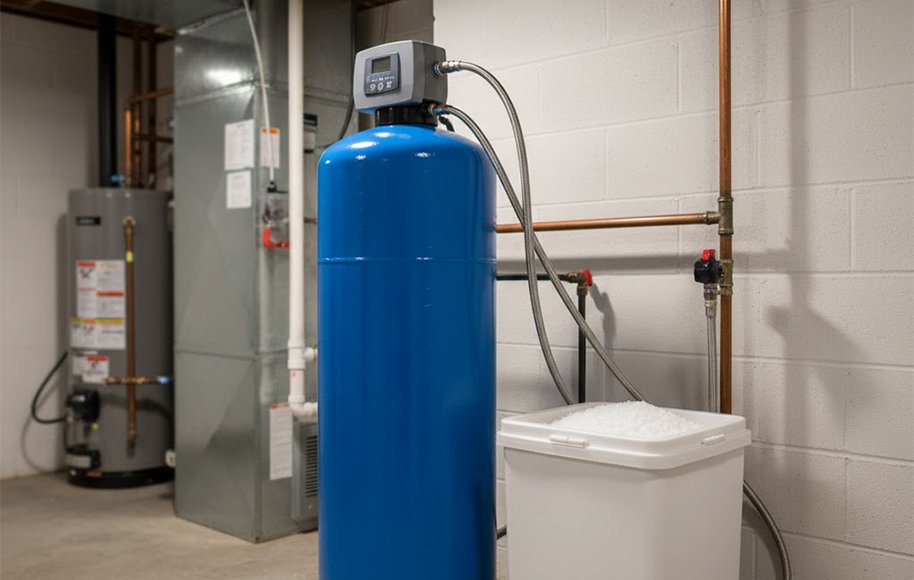
- Install the right system. A water softener won’t solve everything. If your water is acidic, you’ll need a pH neutralizer. For arsenic, you’ll need a specialized filtration system. If copper is showing up in your test, that’s a sign your plumbing may already be corroding.
- Don’t ignore the small stuff. Blue-green stains, strange tastes, or even itchy skin after a shower—these are all signs your water might be working against you.
- Maintain what you install. Water filtration and conditioning systems aren’t set-it-and-forget-it. Regular maintenance is key to long-term effectiveness.
Final Thoughts: The Water Doesn’t Lie
Your water might not come with warning labels, but the signs are there if you know what to look for. Whether it’s odd discoloration, strange flavors, or invisible threats like arsenic, the risks are real—and fixable. Related: The Part No One Talks About: Keeping Your Water System Working Like…
Ignoring the problem doesn’t make it go away. It just quietly eats at your home, your health, and your wallet. So next time you’re cleaning those bathroom fixtures, ask yourself—what is my water really trying to tell me?