Finding the Right Appliance Parts Without Turning It Into a Weekend Headache
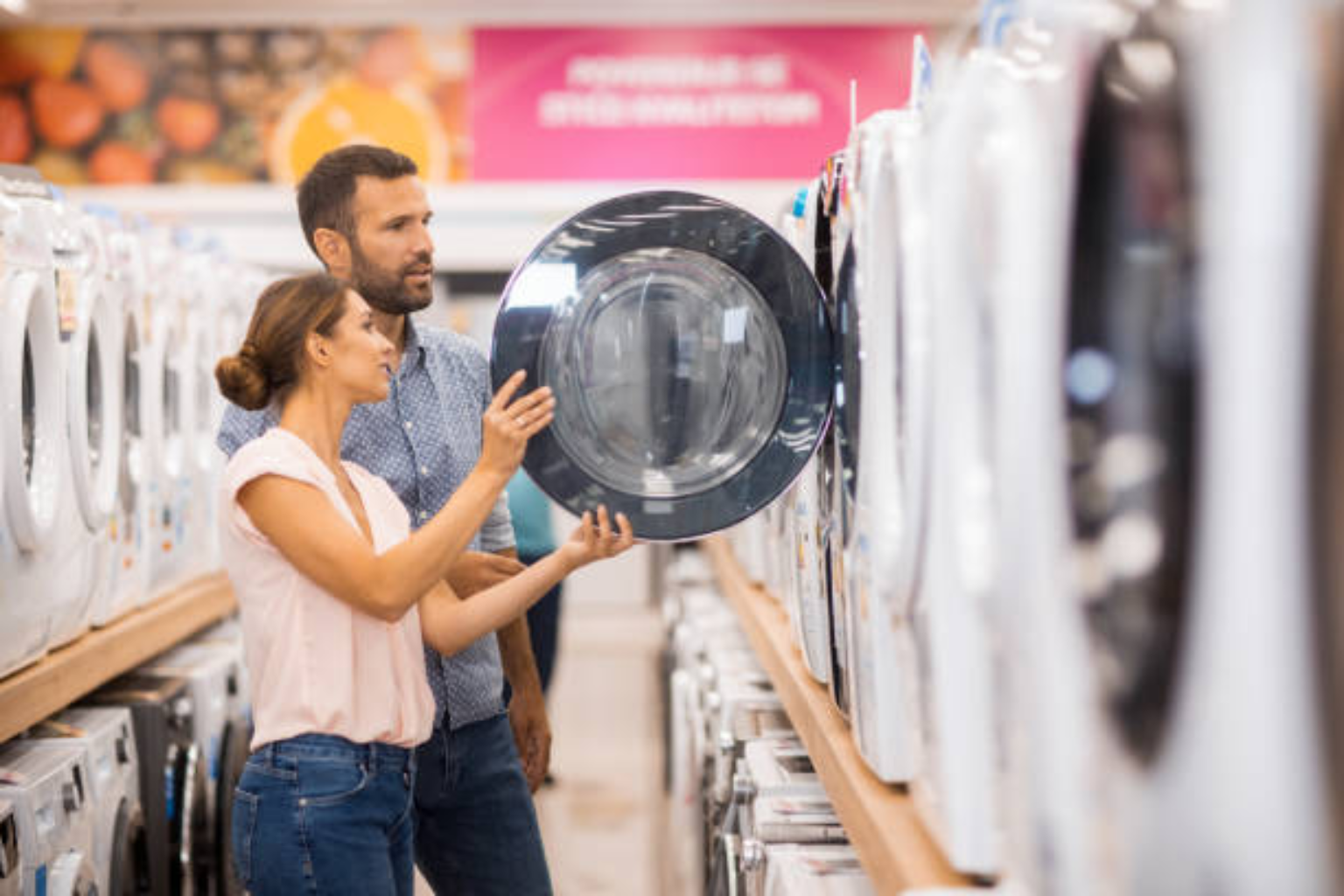
There’s a particular moment every homeowner recognizes. Something stops working—a dryer that won’t heat, a dishwasher that won’t drain, a refrigerator that hums a little too loudly—and you’re faced with a decision. Do you replace the entire appliance, or do you fix what’s broken?
More often than not, the smarter move is repair. Modern appliances are built with individual systems and components, which means a single faulty piece doesn’t have to spell the end. The real challenge? Figuring out exactly what part you need—and where to get it.
Navigating the world of appliance parts can feel overwhelming at first. But once you understand the basics, it’s far more manageable than it seems.
Start With the Symptoms, Not the Shopping Cart
It’s tempting to jump straight online and start browsing parts the moment something goes wrong. But resist that urge for a minute. Diagnosis comes first.
If your oven won’t heat evenly, it might be the bake element—or it might be a temperature sensor. If your washer won’t spin, you could be dealing with a drive belt, a lid switch, or even a control board issue.
Spend time observing the symptoms. Is there a noise? A burning smell? A flashing error code? Check the owner’s manual if you still have it. Many manufacturers list common troubleshooting steps.
A clear diagnosis saves money and frustration. Ordering the wrong part happens more often than people admit. (I’ve done it. It’s not fun.)
The Importance of Model Numbers
Here’s something a lot of people overlook: model numbers matter more than brand names.
Two appliances from the same brand may look identical but use different internal designs. A heating element from one model won’t necessarily fit another—even if they were purchased in the same year.
Before ordering anything, locate the model and serial number. It’s usually found inside the door frame, behind the unit, or on a sticker along the side panel.
Having that information ready makes part sourcing far more accurate and efficient.
OEM vs. Aftermarket Parts
Once you’ve identified the correct component, you’ll often face a choice: OEM (Original Equipment Manufacturer) or aftermarket.
OEM parts are produced by the appliance’s manufacturer or their approved suppliers. They’re designed specifically for your model and typically come with reliable fit and performance. They can, however, be more expensive.
Aftermarket parts are produced by third-party companies. Some are excellent quality. Others… not so much. Reading reviews and checking warranty coverage helps reduce risk.
In many cases, either option works well. But for critical components—like control boards or safety switches—OEM may offer peace of mind.
Recognizing When Replacement Makes Sense
Not every repair is worth the effort. If an appliance is over 12–15 years old and requires multiple major fixes, replacing it might be more practical.
However, smaller replacement components—like door gaskets, heating elements, water inlet valves, or belts—are often affordable and straightforward to install.
The decision usually comes down to cost versus value. If the repair extends the life of the appliance by several years at a reasonable expense, it’s often worth it.
Think of it like maintaining a car. You replace brake pads. You don’t replace the entire vehicle because of them.
DIY or Call a Professional?
Some parts are surprisingly easy to replace. Swapping out a dryer heating element or a refrigerator door seal can be a manageable project for someone comfortable with basic tools.
But electrical and gas components require caution. If you’re unsure about wiring connections, gas lines, or internal electronics, bringing in a technician is wise.
There’s no shame in knowing your limits. The goal is a working appliance—not a risky experiment.
Shipping, Returns, and Realistic Expectations
Ordering parts online is convenient, but double-check return policies before purchasing. Even with careful research, mistakes happen.
Also, keep in mind that delivery times vary. If your refrigerator is down, waiting a week for a part might not be practical. In urgent cases, local suppliers or professional repair services may provide faster solutions.
Sometimes convenience outweighs small savings.
Preventing Future Breakdowns
Once you’ve replaced a faulty part, take a moment to consider why it failed. Was it normal wear and tear? Or was there an underlying issue—like clogged vents, poor airflow, or lack of maintenance?
Regular cleaning, proper loading, and annual inspections can prevent many common failures. Appliances work hard behind the scenes. A little care extends their lifespan significantly.
A Final Thought on Repairing with Confidence
Repairing appliances doesn’t have to feel intimidating. With accurate diagnosis, careful part sourcing, and realistic expectations, many homeowners successfully extend the life of their machines.
The key is patience. Research thoroughly. Verify model numbers. Choose quality components. And don’t rush the process.
There’s something satisfying about fixing what’s broken rather than discarding it. It saves money. It reduces waste. And it restores a small sense of control over the everyday systems we rely on.
When you approach appliance repairs thoughtfully, you’re not just replacing a part. You’re preserving functionality, stretching your investment, and keeping your home running smoothly.
And sometimes, that quiet reliability is worth more than any brand-new purchase.