Living With a Private Well: Making Peace With Your Water Again
There’s something romantic about having your own well. It feels independent. Self-sufficient. Like you’re drawing straight from the earth rather than relying on a distant treatment plant.
But anyone who actually lives with a private well knows the romance fades the first time your sink turns orange.
Well water can be beautiful — clean, cold, and naturally filtered through layers of soil and rock. It can also be unpredictable. One season it tastes fine. The next, it smells like something you’d rather not name. And because there’s no city utility monitoring it for you, the responsibility lands squarely on your shoulders.
That’s not a reason to panic. It’s just a reason to pay attention.
Why Well Water Is Different
Unlike municipal water, well water doesn’t travel through miles of infrastructure or get disinfected with chlorine before reaching your tap. What’s in the ground is what flows into your home.
Sometimes that’s great news. No chlorine taste. No chemical after-smell. But groundwater can pick up minerals and elements from the surrounding soil. Iron. Manganese. Sulfur. Occasionally bacteria.
This is where thoughtful well water treatment comes in — not as a luxury, but as a practical step toward consistency.
The key word there is consistency. Because the biggest frustration with wells isn’t necessarily danger. It’s unpredictability.
The Rust-Colored Surprise
Let’s talk about iron.
If you’ve ever noticed reddish stains in your sink or toilet, or laundry coming out with faint orange tints, you’ve likely met iron firsthand. It’s one of the most common well water issues.
Iron isn’t usually harmful at typical levels, but it’s incredibly annoying. It clogs fixtures. It stains porcelain. It leaves metallic flavors that make drinking water less enjoyable.
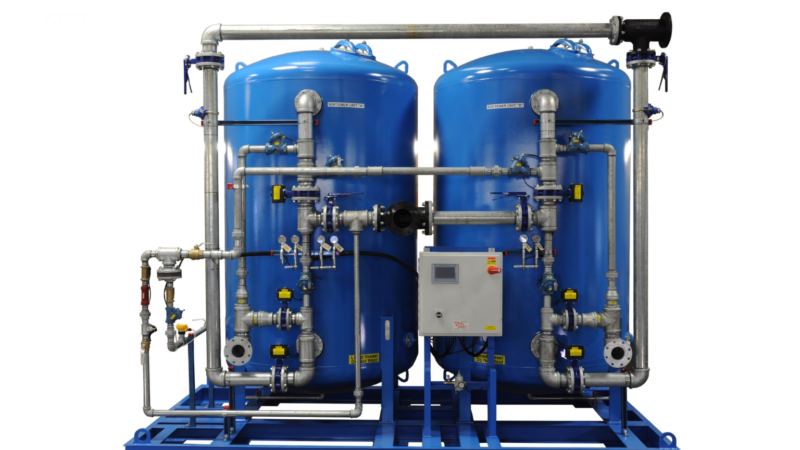
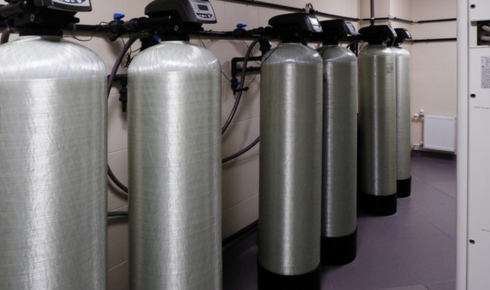
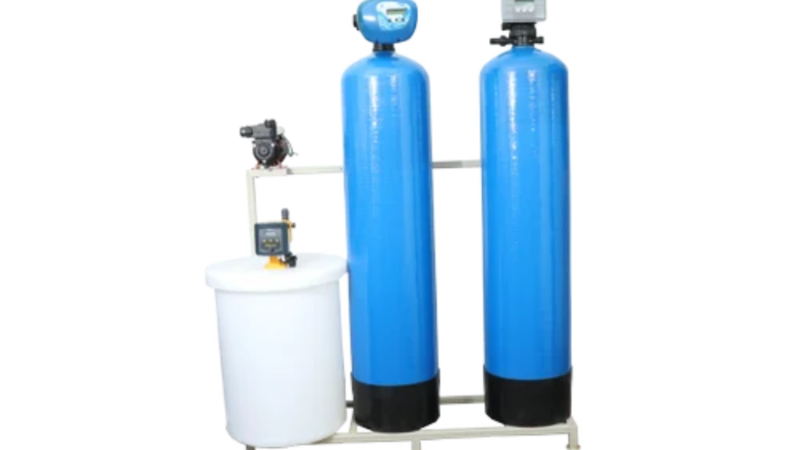
That’s why iron & manganese reduction systems are so popular among well owners. These systems often use oxidation or specialized filtration media to capture dissolved metals before they reach your taps.
The change can be dramatic. White sinks stay white. Laundry comes out clean. Faucets stop looking like they belong in an abandoned farmhouse.
It’s not glamorous work. But it’s transformative.
When the Water Smells Wrong
Now let’s address the issue that makes people wrinkle their noses — sulfur.
If your water smells like rotten eggs, hydrogen sulfide gas is likely the culprit. It’s a naturally occurring compound in some groundwater sources. While it’s typically not harmful at low concentrations, it’s unpleasant enough to make you question every glass you pour.
This is where sulfur odor control becomes essential.
There are several ways to handle sulfur. Aeration systems introduce air to oxidize the gas. Oxidizing filters capture it before it reaches your fixtures. Sometimes a combination approach works best.
What’s interesting is how quickly you adapt once the smell disappears. You forget it was ever there. That’s the beauty of solving water problems properly — they fade quietly into the background.
Testing Is Non-Negotiable
If you rely on a private well, regular testing isn’t optional.
At least once a year, ideally more often if you notice changes, have your water analyzed. Iron and sulfur are common concerns, but bacteria and nitrates can also appear depending on environmental conditions.
Heavy rains, flooding, nearby construction — all can influence groundwater quality.
Testing gives you a baseline. It tells you whether the problem is cosmetic, mechanical, or something more serious. Without it, you’re guessing. And guessing with water isn’t wise.
Layering Solutions Thoughtfully
One thing well owners learn quickly is that a single device rarely solves everything.
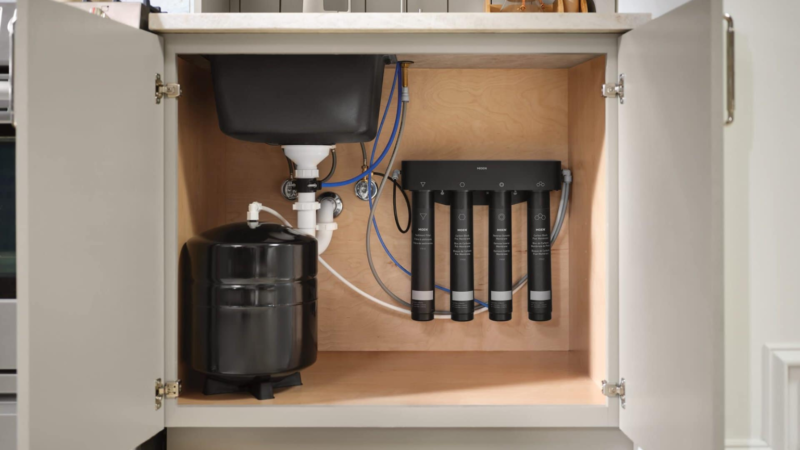
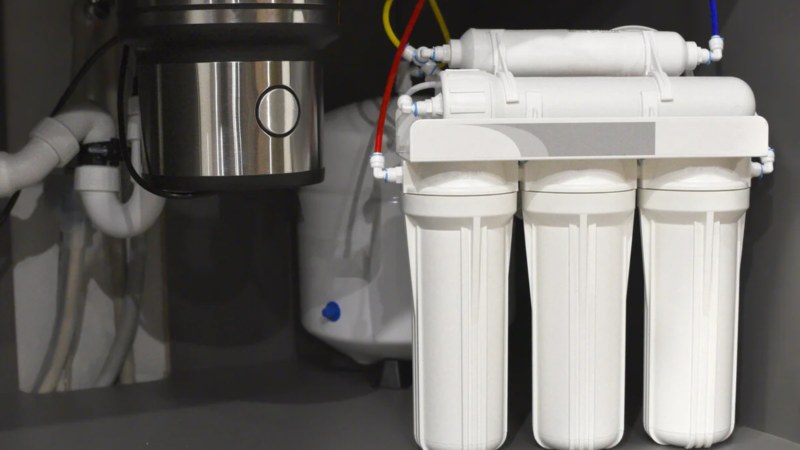
You might need a sediment pre-filter to catch particles, followed by an iron reduction unit, then perhaps a UV system if bacteria are detected. Each layer addresses a specific issue.
That doesn’t mean your basement will look like a water treatment plant. Modern systems are more compact and efficient than older setups. But thoughtful layering ensures each problem gets targeted appropriately.
The goal isn’t complexity. It’s clarity.
The Emotional Side of Well Ownership
There’s a unique stress that comes with private wells. When city water has issues, you call the utility company. When your well has issues, it’s on you.
But there’s also pride in that independence. When your system is dialed in and your water runs clear, clean, and odor-free, it feels like you’ve mastered something essential.
It’s empowering.
Maintenance Matters
Water treatment systems for wells aren’t set-it-and-forget-it solutions. Filters need replacing. Media beds need backwashing. UV lamps require periodic changes.
Ignoring maintenance invites problems back in quietly. Staying on schedule keeps everything running smoothly.
Think of it like caring for a vehicle. Regular checkups prevent major breakdowns.
Making Peace With Your Water
Living with a well doesn’t have to mean living with stains, smells, or uncertainty.
With proper testing, targeted treatment, and consistent maintenance, well water can be just as clean and enjoyable as municipal supply — sometimes even better.
When your sinks stay clear, your laundry looks fresh, and your water tastes neutral, you stop thinking about it.
And that’s the goal.
Water should support your home, not complicate it. With the right approach, even the quirks of private well ownership become manageable.
Because at the end of the day, clean water isn’t about perfection. It’s about confidence.