The Water We Can’t See: Why PFAS Concerns Are Changing Home Filtration Choices
A few years ago, most of us had never heard the term PFAS. It wasn’t part of dinner-table conversation. It didn’t pop up in neighborhood Facebook groups. Water was just… water. Clear, familiar, unremarkable.
Then the reports started surfacing.
Communities across the country began discovering trace levels of synthetic chemicals in their local water supplies. Industrial byproducts. Firefighting foam residues. Manufacturing runoff. The phrase “forever chemicals” entered public vocabulary, and suddenly people were looking at their taps a little differently.
There’s something unsettling about contamination you can’t see, smell, or taste. It’s not like muddy water that signals obvious danger. PFAS compounds are subtle. Invisible. Persistent. And that persistence is exactly what worries scientists and families alike.
What Makes PFAS So Concerning?
PFAS — per- and polyfluoroalkyl substances — have been used in everything from nonstick cookware to waterproof fabrics. They’re valued for their resistance to heat and water. The problem? That same durability means they don’t break down easily in the environment.
Over time, these compounds can accumulate in soil and water sources. Research into long-term exposure is still evolving, but concerns range from immune system impacts to potential links with certain cancers. No one enjoys reading those studies. But ignoring them doesn’t make them disappear either.
As awareness grows, so does interest in pfas filtration at the household level. People aren’t necessarily panicking — they’re preparing. They’re looking for ways to reduce potential exposure, even if local water meets regulatory standards.
And that’s an important nuance. Municipal systems in many areas comply with current guidelines. But regulations often lag behind emerging science. When new data surfaces, standards evolve. Homeowners who install filtration systems aren’t always responding to failure; sometimes they’re simply choosing an extra layer of protection.
The Role of Activated Carbon
One of the most widely discussed methods for reducing PFAS levels in water involves activated carbon. If you’ve ever used a basic pitcher filter, you’ve likely encountered carbon filtration in some form.
Activated carbon works through adsorption — contaminants stick to the surface of the carbon material as water passes through. It’s surprisingly effective at capturing a variety of organic compounds, including certain PFAS molecules.
But here’s where it gets practical: not all carbon filters are created equal. The type of carbon, its surface area, and how long water remains in contact with it all influence performance. A high-quality system designed specifically for PFAS reduction will outperform a generic filter meant only to improve taste.
That doesn’t mean carbon filtration is complicated. In many cases, it’s straightforward and relatively affordable. But understanding specifications matters. A label that says “carbon filter” doesn’t automatically guarantee comprehensive protection.
And maintenance? It’s crucial. Once carbon becomes saturated, it loses effectiveness. Regular replacement isn’t just recommended — it’s essential.
Beyond Basic Filters
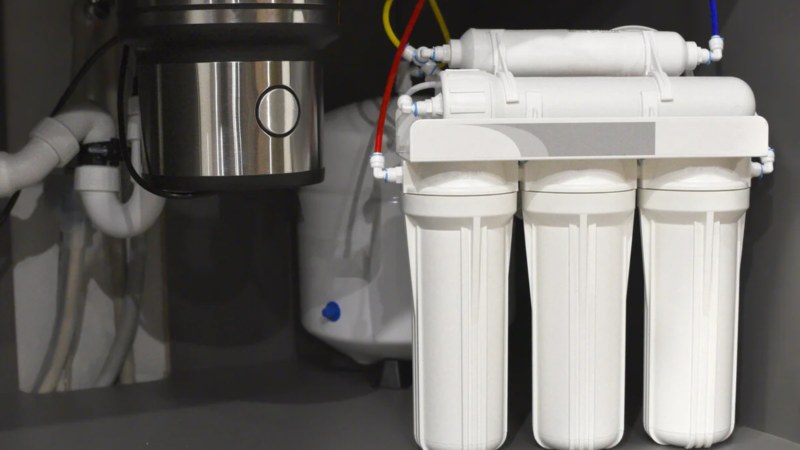
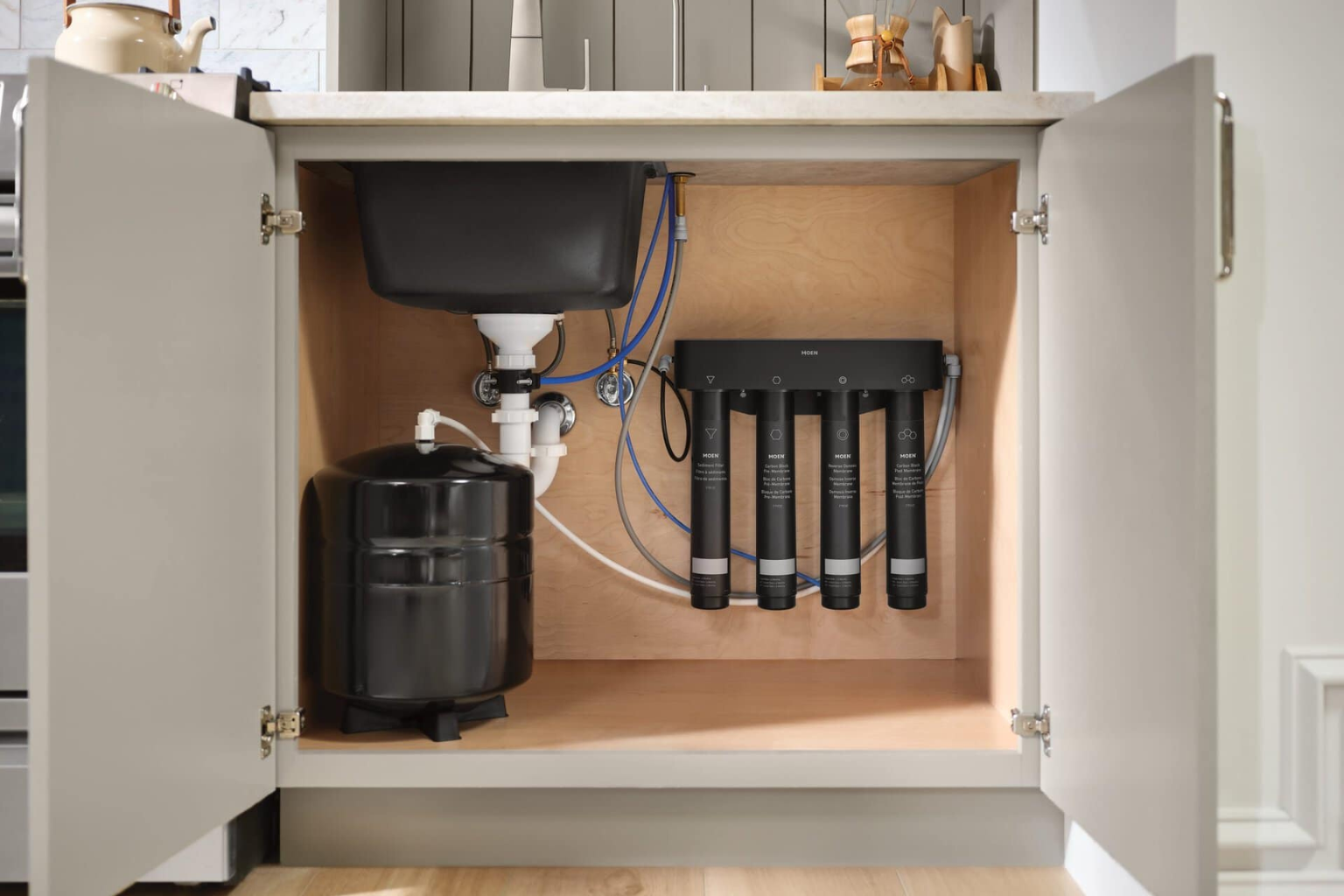
While carbon filtration plays a central role, it’s not the only approach. Some advanced systems combine multiple technologies to enhance forever chemicals removal. Reverse osmosis, for example, uses a semi-permeable membrane to separate contaminants at a molecular level. When paired with carbon pre- or post-filters, it can create a layered defense.
Layered systems often appeal to households with higher detected PFAS levels or private wells near industrial areas. They offer broader coverage, though they may require more installation effort and slightly higher upfront investment.
Still, for many families, the cost feels justified. It’s not just about numbers on a lab report. It’s about peace of mind. When you’re filling a glass for your child or cooking dinner for your family, you don’t want nagging doubts hovering in the background.
Testing First, Acting Smartly
Before investing in any filtration system, testing is a wise first step. Water quality varies significantly by location. Some communities have documented PFAS issues; others may not. Blindly purchasing equipment without data can lead to unnecessary expense or incomplete protection.
Certified laboratories can analyze water samples for PFAS concentrations. That information helps determine which system makes sense. Sometimes a point-of-use filter under the kitchen sink is sufficient. In other cases, a whole-home solution may be warranted.
It’s also worth checking whether local utilities provide annual water quality reports. Transparency is improving, and public information can guide smarter decisions.
The Emotional Side of Clean Water
There’s a quiet psychological shift that happens when you install a filtration system designed to address modern concerns. It’s subtle. You stop second-guessing your tap. You refill bottles without hesitation. You cook pasta without that faint whisper of doubt.
Water has always been foundational to health. But now, perhaps more than ever, it’s tied to trust. Trust in infrastructure. Trust in research. Trust in your own household choices.
Filtration doesn’t eliminate every environmental challenge. It doesn’t solve industrial pollution. But it empowers individuals to take control of their immediate environment.
And maybe that’s the deeper story here. In a world where global issues can feel overwhelming, improving your home’s water quality is tangible. Actionable. Immediate.
Looking Ahead
As science advances, so will water treatment technology. Regulations will tighten. Manufacturers will innovate. Awareness will continue to grow.
For now, homeowners navigating PFAS concerns have more options than ever. From targeted carbon systems to comprehensive multi-stage units, solutions are increasingly accessible.
The conversation around water is evolving. It’s no longer just about clarity or taste. It’s about understanding what lies beneath the surface and responding thoughtfully.
And while the chemicals themselves may be invisible, the steps we take to address them don’t have to be. Sometimes, safeguarding something as simple as a glass of water is one of the most practical investments we can make.