What Happens Before the Water Reaches Your Glass: A Quiet Look at Modern Filtration
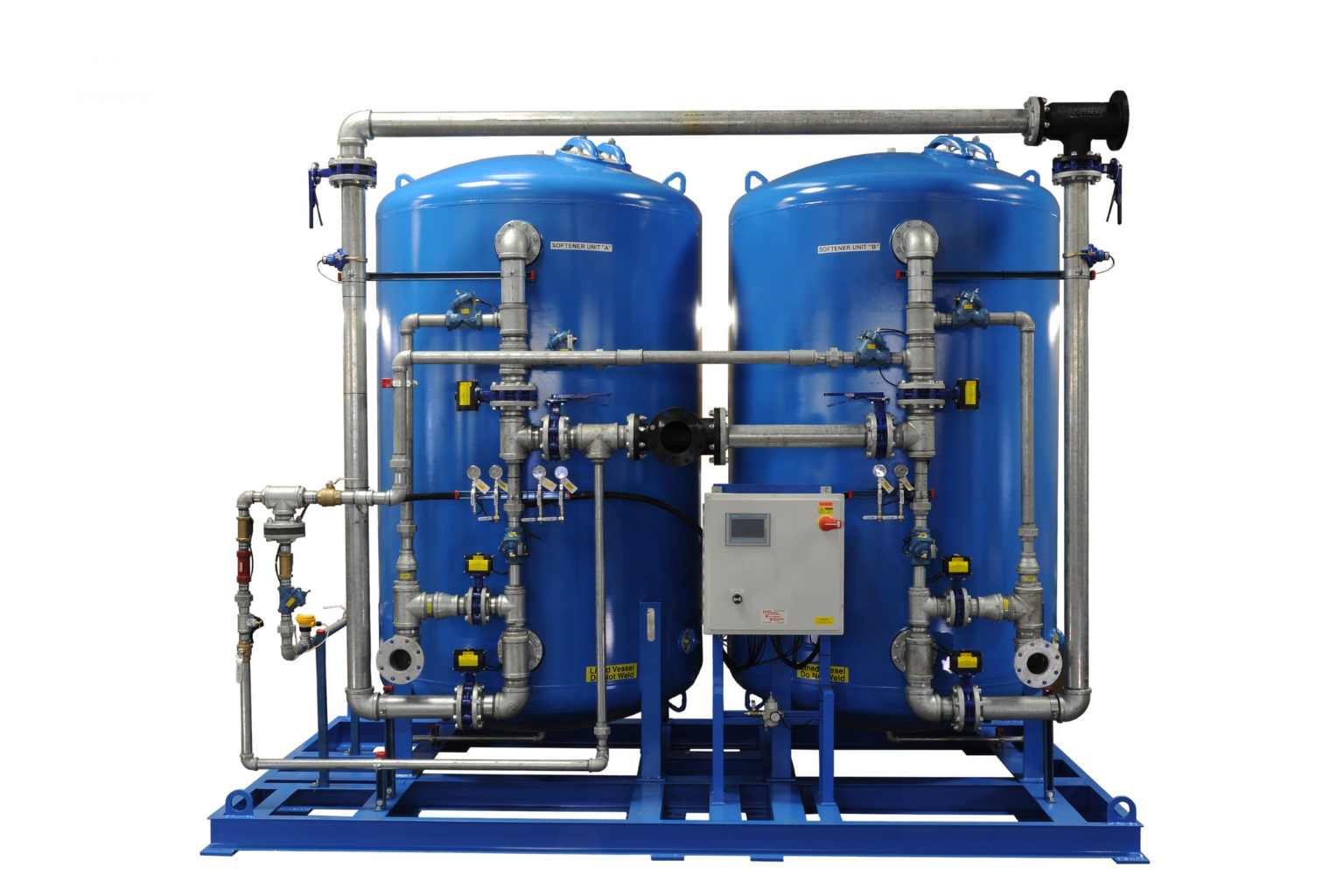
Most of us don’t really think about water until something feels off. Maybe it smells a little strange, tastes slightly metallic, or leaves a faint film on dishes. And yet, when everything works the way it should, water almost disappears into the background of life — quietly doing its job without drawing attention.
It’s a funny thing. Water is one of the most essential parts of daily living, but it’s also one of the most overlooked. We assume clarity equals purity, and if it looks clean, we rarely question it further.
But in reality, water quality is far more complex than appearance. What happens before it reaches your glass often determines how it tastes, how it feels, and how it affects your home over time.
The Invisible Journey of Household Water
Before water flows through your tap, it travels through an extensive journey — treatment plants, pipelines, storage systems, and sometimes even underground aquifers. Along the way, it can pick up tiny particles, chemical residues, and dissolved substances.
Some of these are harmless but inconvenient. Others can influence taste, odor, and even plumbing performance.
This is where modern filtration steps in. Instead of relying solely on municipal treatment, home filtration systems act as a final checkpoint — refining water just before it’s used in your everyday routines.
It’s not about dramatic changes. It’s about subtle improvements that slowly transform daily experiences.
Why Removing Particles Makes Such a Difference
One of the first challenges filtration systems address is sediment removal. These sediments include sand, rust, dirt, and other microscopic particles that enter water supplies through aging pipes or natural sources.
Even though they may be too small to see, their effects are surprisingly noticeable. Sediments can make water appear cloudy, clog plumbing fixtures, and reduce appliance efficiency over time.
Once these particles are filtered out, the difference becomes clear — literally and figuratively. Water flows more smoothly, faucets last longer, and household systems experience less wear.
For many homeowners, this is the first step toward realizing how much water quality can influence everyday life.
The Role of Chemicals in Water Taste and Smell
Another common concern is chemical treatment. Municipal water supplies often use disinfectants like chlorine to ensure safety during distribution.
While this process is essential for public health, it can leave behind a noticeable taste and odor that many people find unpleasant.
This is why chlorine removal plays such an important role in modern filtration systems. By reducing chemical residues, filtration helps restore water’s natural flavor — clean, neutral, and refreshing.
And the impact goes beyond taste. Chlorine can also affect skin comfort, causing dryness or irritation during bathing.
Once it’s filtered out, people often notice subtle improvements in how their skin and hair feel, along with a more pleasant overall shower experience.
The Final Touch That Perfects Water Quality
Beyond removing particles and chemicals, advanced filtration systems often include a final stage known as activated carbon polishing.
This step acts as a finishing layer, refining water after earlier filtration stages have already removed major impurities.
Activated carbon is highly porous, allowing it to absorb tiny contaminants, odors, and organic compounds that other filters might miss. The result is water that feels smoother, tastes cleaner, and smells completely neutral.
It’s similar to the final polishing step in manufacturing — a subtle process that makes a noticeable difference in quality.
Everyday Benefits You Might Not Expect
What’s fascinating about improved water filtration is how many small daily experiences it quietly enhances.
Cooking becomes more enjoyable because flavors aren’t influenced by chemical aftertastes. Beverages like coffee and tea taste richer and more balanced.
Laundry feels softer, and fabrics maintain their color longer. Dishware dries without streaks or residue.
Even cleaning becomes easier, as filtered water interacts more effectively with soaps and detergents, reducing the need for excess cleaning products.
These changes don’t happen overnight. Instead, they unfold gradually, becoming part of a more comfortable and efficient daily routine.
Protecting the Systems Inside Your Home
Beyond personal comfort, clean water also protects the infrastructure of a home.
Sediment buildup can damage pipes, clog appliances, and reduce efficiency. Chemical residues can accelerate wear in plumbing systems over time.
By filtering water before it enters household systems, homeowners reduce maintenance costs and extend the lifespan of their equipment.
It’s a long-term investment that often pays off quietly, without requiring ongoing attention.
The Psychological Impact of Clean Water
There’s also something intangible about knowing your water is properly filtered.
It creates a sense of trust and confidence — the reassurance that what you’re drinking, cooking with, and bathing in is truly clean.
That peace of mind might not be measurable, but it’s undeniably valuable.
And once people experience consistent water quality, they rarely want to return to untreated sources.
Why Filtration Feels Like a Subtle Upgrade
Unlike visible home improvements, filtration systems don’t change how a house looks.
Instead, they change how it feels to live there.
The benefits appear in everyday moments — clearer glasses of water, smoother showers, better-tasting meals, and more efficient cleaning routines.
Over time, these small improvements accumulate into something meaningful.
A Quiet Foundation for Everyday Living
At its core, water filtration isn’t just about removing impurities. It’s about improving one of life’s most fundamental resources.
Clean water supports health, comfort, efficiency, and sustainability — all without demanding attention.
And perhaps that’s the most remarkable thing about it.
When water is properly filtered, you don’t think about it at all. It simply works, quietly and reliably, supporting every part of your daily life in ways you may never fully notice — but always appreciate.