What’s Really Happening Inside Your Water Softener (And Why It Matters at Home)
If you’ve ever noticed white spots on your dishes or that stiff, scratchy feeling in freshly washed towels, you’ve already met hard water. It doesn’t announce itself loudly. It just quietly leaves clues—on your faucets, in your shower, across your appliances.
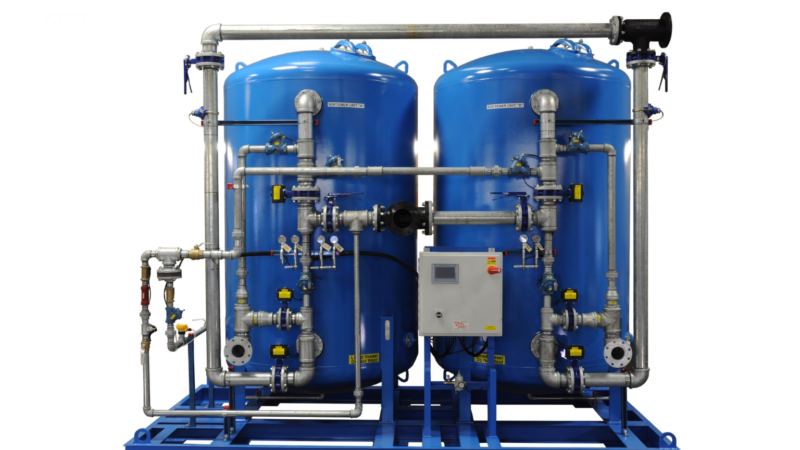
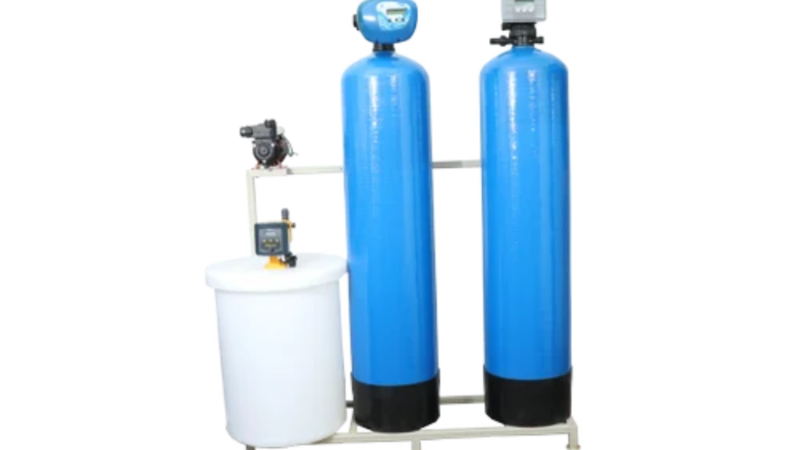
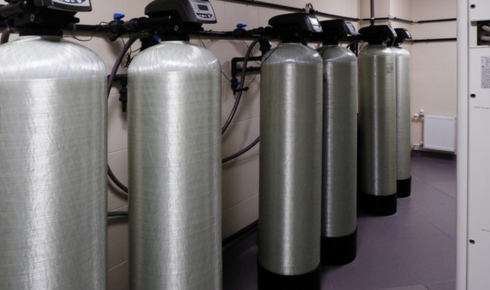
Most people install a water softener because someone recommended it. Or a plumber mentioned hardness levels were “on the high side.” But very few homeowners actually understand what’s going on inside that tall tank sitting in the garage or tucked away in a utility room.
Let’s slow down and unpack it in plain language.
The Problem with Hard Water
Hard water isn’t dirty water. It’s simply water that contains elevated levels of dissolved minerals, primarily calcium and magnesium. These minerals are picked up as groundwater moves through soil and rock.
In small amounts, they’re not harmful to drink. But over time, they create buildup inside pipes, reduce appliance efficiency, and leave that familiar chalky residue on fixtures.
The effects sneak up on you. A slightly weaker shower pressure. Soap that doesn’t lather quite right. A dishwasher that seems less effective.
It’s death by a thousand mineral deposits.
So, How Does a Softener Fix That?
People often search for how water softeners work, expecting something overly technical. The truth is, the concept is surprisingly straightforward.
Water softeners don’t “filter” water the way carbon filters do. They don’t trap particles or strain out sediment. Instead, they transform the mineral content using chemistry.
Inside the tank, there are thousands of tiny resin beads. These beads are charged with sodium (or sometimes potassium) ions. When hard water flows through the system, those beads interact with the dissolved hardness minerals.
And that’s where the magic—well, science—happens.
Understanding the Exchange
At the core of the system is something called the ion exchange process. The resin beads hold onto sodium ions loosely. When hard water passes through, the calcium and magnesium ions are attracted to the beads more strongly than sodium is.
So they swap places.
Calcium and magnesium stick to the resin. Sodium is released into the water in small amounts. The hardness minerals stay behind, and the water flowing into your home becomes “soft.”
It’s not removal in the traditional sense—it’s replacement.
Eventually, the resin beads become saturated with hardness minerals. That’s when regeneration kicks in. The system flushes a concentrated salt solution through the tank, recharging the beads with sodium and rinsing the hardness minerals down the drain.
Then the cycle begins again.
Why Soft Water Feels Different
If you’ve ever showered in a home with a properly functioning softener, you know the difference immediately.
Soap lathers more easily. Shampoo rinses differently. Skin feels smoother—not squeaky, just less dry.
Some people describe it as slippery. That’s because soap isn’t binding to calcium in the water anymore. Instead of forming soap scum, it dissolves properly.
Laundry also changes. Towels fluff up. Colors stay brighter. Clothes don’t feel as stiff coming out of the wash.
These aren’t dramatic transformations—but they’re noticeable.
The Appliance Angle
Hard water is especially tough on appliances.
Water heaters, dishwashers, and washing machines all suffer when mineral buildup accumulates inside heating elements and pipes. Even a thin layer of scale can reduce efficiency and increase energy usage.
Over time, that buildup leads to repairs or early replacement.
Soft water reduces scale formation significantly. It’s preventative maintenance happening automatically every time water flows through your system.
Is It Safe to Drink?
This is a common concern.
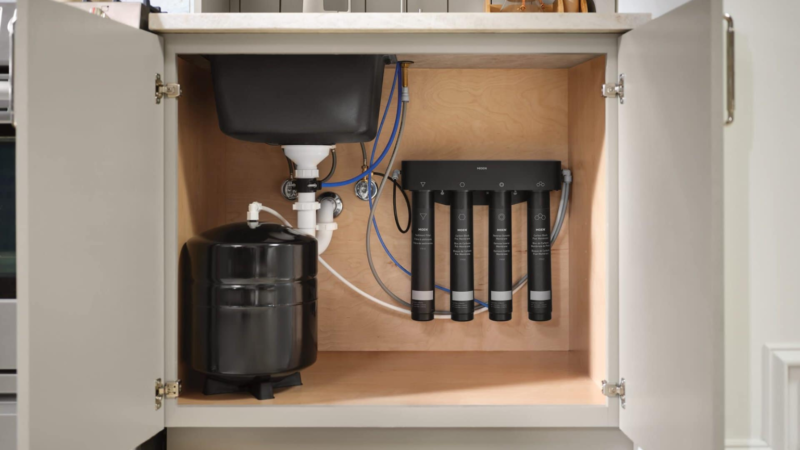
Softened water contains a small increase in sodium due to the exchange process. For most people, the added amount is minimal and not a health concern. However, households on strict sodium-restricted diets sometimes choose to install a separate drinking water system at the kitchen sink.
It’s about tailoring the setup to your needs.
Soft water for bathing and cleaning. Filtered water for drinking. They can coexist comfortably.
Maintenance and Reality
Water softeners aren’t entirely hands-off.
You’ll need to refill the salt in the brine tank periodically. Depending on usage and water hardness levels, that could be monthly or less frequent.
Occasionally, systems require cleaning or professional servicing. But overall, they’re surprisingly low maintenance for the impact they provide.
And most homeowners say the convenience outweighs the minor upkeep.
The Bigger Picture
Hard water is incredibly common. In some regions, it’s practically the default. You might not even realize how much scale buildup is affecting your home until you experience the difference soft water makes.
It’s not about perfection. It’s about efficiency, longevity, and comfort.
Once you’ve lived with softened water, going back feels like stepping into a time warp—soap that won’t lather, spots on glasses, that dull film on shower doors.
You start to notice what you once ignored.
Final Thoughts
Water softeners aren’t complicated machines performing mysterious tricks. They rely on a simple but powerful chemical exchange to reduce hardness minerals and protect your home’s plumbing and appliances.
Understanding what’s happening inside that resin tank—how minerals swap places and how regeneration restores the system—gives you more confidence in the investment.
Because at the end of the day, softened water isn’t about luxury. It’s about small daily improvements that add up. Better showers. Cleaner dishes. Longer-lasting appliances.
And once you know how it all works, it feels less like a hidden utility in the corner—and more like a quiet, hardworking system keeping your home running smoothly.