When the Tap Turns Toxic: A Real Look at Water Quality Woes
Let’s be honest—most of us take water for granted. It pours from our taps, fills our kettles, flushes our toilets, and we barely stop to wonder about its journey or what might be hiding in those crystal-clear drops. But behind that innocent stream could be a host of invisible dangers. And when things go wrong, they can go really wrong.
Whether it’s a strange taste, a funky smell, or the haunting headlines of polluted rivers and failing municipal systems, water quality is something we can’t afford to ignore anymore. This isn’t about scare tactics. It’s about getting real, informed, and proactive.
A Glass Half… Contaminated?
Have you ever stood at the kitchen sink, glass in hand, and wondered if what you’re drinking is actually safe? If not, maybe it’s time you should. All over the world, there are pockets of communities where people are unknowingly sipping on contaminated water, and the results are far from pretty—think gastrointestinal issues, skin irritation, developmental disorders, and long-term diseases like cancer. In some cases, the water might look fine. No color. No odor. But that doesn’t mean it’s clean.
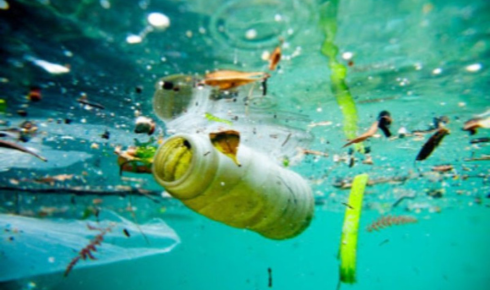
Microorganisms, heavy metals like lead or arsenic, nitrates from fertilizers, and industrial run-offs don’t always come with visible warning signs. And bottled water? That’s not always the knight in shining armor it claims to be. Plenty of brands have failed safety tests. So unless you’re filtering what you drink or getting your water tested regularly, you’re kind of flying blind.
When the Pipes Speak
Let’s talk infrastructure. The pipes that deliver water into our homes are aging in many regions. Lead pipes, corroded fittings, and neglected municipal systems are all contributors to water issues that go unnoticed until people start getting sick—or until it becomes a full-blown news headline.
And it’s not just an urban issue. Rural areas face unique water problems too—often worse. With fewer regulations and limited access to testing facilities, contamination from agriculture (pesticides, herbicides, manure runoff) can quietly seep into local wells and aquifers.
You know what’s wild? Some people are still using water straight from open sources like ponds or rivers, assuming that boiling alone makes it safe. It doesn’t. Boiling might kill bacteria, but it won’t do squat for chemical pollutants.
So… What’s Actually in Our Water?
Now we’re getting into the murky middle. If you’ve ever taken the time to read a water report (props to you if you have), you’ll see a lot of terms that sound like they belong in a chemistry textbook. Total Dissolved Solids (TDS), PFAS (forever chemicals), VOCs (volatile organic compounds), and more. These aren’t just academic acronyms—they’re real substances that could be flowing into your morning coffee.
And here’s the kicker: just because water passes government standards doesn’t mean it’s ideal. Regulations often lag behind science. What’s deemed “acceptable” today might be considered dangerous tomorrow. Flint, Michigan taught us that lesson all too well.
That’s why private water testing kits are catching on, and honestly, they’re worth the investment. They’re not just for preppers or health freaks. They’re for families. For renters. For anyone who wants to sleep a little easier knowing what’s coming out of their faucets.
Is the Solution as Simple as Filtration?
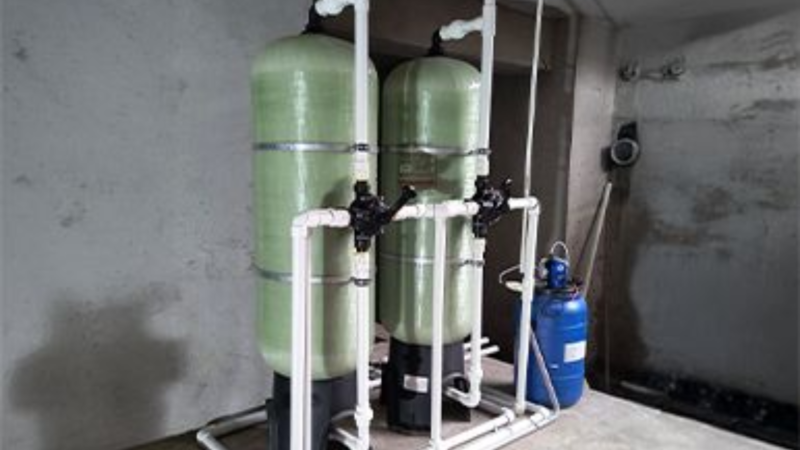
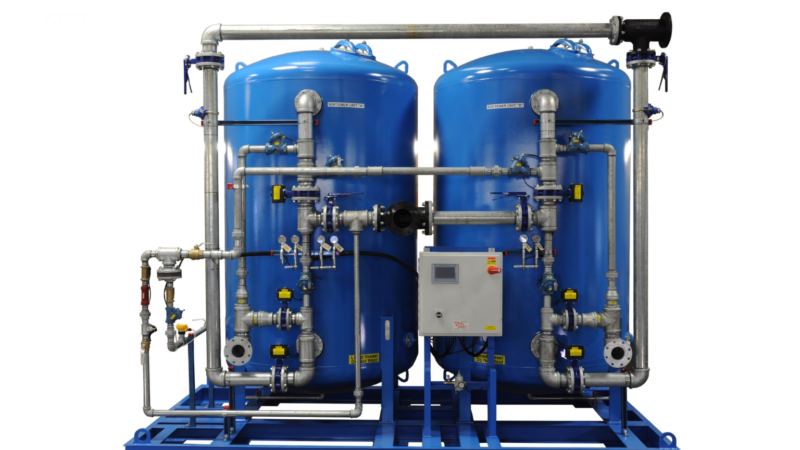
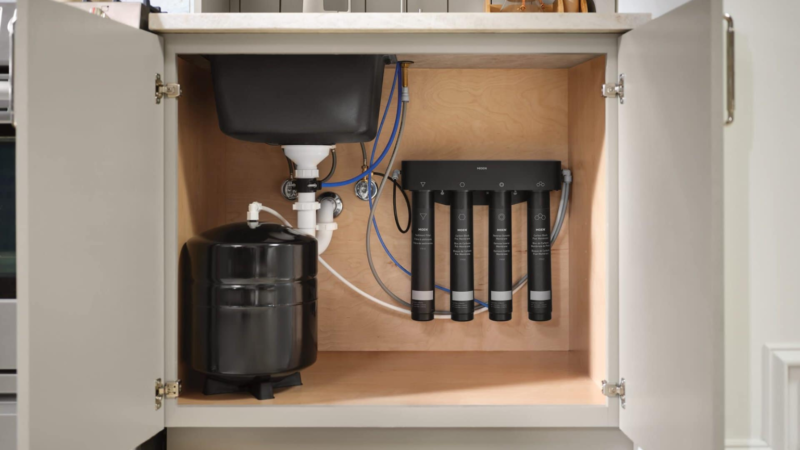
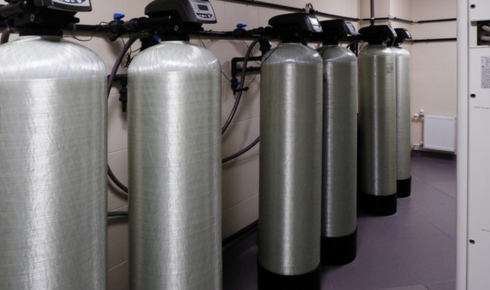
You might be thinking, “Well, I’ve got a filter jug, so I’m good, right?” Ehh… not always. While basic filters can reduce chlorine and improve taste, they’re not a magic bullet. Some contaminants require advanced systems—reverse osmosis, activated carbon, UV purifiers, or even multi-stage filtration setups.
The right solution depends on your source water, budget, and health needs. For example, families with infants need to be extra cautious about nitrates. If you live near an industrial site, heavy metal filtration might be a must. And if you’re relying on a private well, don’t assume nature’s got your back. Natural doesn’t always mean safe.
Water softeners, often used to combat hard water, don’t actually purify it. In fact, sometimes they add sodium, which can be a concern for folks with hypertension. That’s the thing about improving your water—it’s never one-size-fits-all.
Can the Government Fix It?
Sure, governments should play a role—and many do. But red tape, budget issues, and political back-and-forths often mean that real solutions take time. A lot of time. In the meantime, it’s often up to individuals and communities to advocate for better treatment, testing, and transparency.
If nothing else, every household should have access to an annual water report. Yet so many don’t even know where to find it. Hint: Your local utility is required to provide it—just ask. Or better yet, demand it. Sometimes, change starts with a very loud, very persistent question.
Let’s Talk About Accountability
Here’s a truth bomb: a lot of companies and even local governments only act when someone makes noise. Social media can be a powerful tool in this space. One viral post about brown tap water or a sick child can spark investigations and policy change. It’s unfortunate, but it’s real. Being a little louder might just keep your community safer.
You can also get involved locally. Attend water board meetings (yes, they exist), push for better filtration in schools, or raise funds to supply filters to vulnerable areas. Small actions add up—especially when the people in charge start noticing.
Closing the Tap: What Now?
The next time you fill your glass, just take a second. Think about where that water’s coming from, what might be in it, and what you’re doing (or not doing) about it. This isn’t about fear. It’s about awareness. We all deserve clean, safe, drinkable water—not just the illusion of it.
Our health shouldn’t be left to chance or to aging infrastructure. Not in 2026. Not with everything we know now. If you’ve got the means, test your water. If you’ve got the voice, raise it. And if you’ve got the heart, help others do the same.