When Your Water Works With You: A Real-World Look at Cleaner, Softer Living
Water is one of those quiet forces in a home. It runs in the background, day after day, filling kettles, washing dishes, powering showers. Most of the time we don’t give it a second thought. And then one morning you notice the chalky ring around the faucet. Or the shower door that never quite looks clean, no matter how hard you scrub.
That’s usually the moment you start paying attention.
Not because something is terribly wrong — but because something feels slightly off. The laundry isn’t as soft. The glasses look cloudy. The skin feels a bit tight after a shower. These are small irritations, but they add up.
And often, they trace back to the same source: untreated or poorly treated water.
The First Layer: What You Can Actually See
In many homes, especially those relying on well water or aging municipal lines, there’s visible debris in the water supply. Tiny grains of sand. Rust particles. Silt.
This is where sediment removal quietly does its job.
A basic sediment filter might not sound exciting, but it’s foundational. It captures larger particles before they move deeper into your plumbing or appliances. Without it, those particles can clog fixtures, scratch surfaces, and reduce the lifespan of water heaters and washing machines.
Think of it like sweeping before mopping. It’s the simple step that prevents bigger messes later.
Homeowners who install even a modest sediment filter often notice clearer water right away — not dramatically different, just cleaner and more consistent.
The Invisible Enemy in Hard Water
If sediment is what you can see, hardness is what you feel.
Hard water contains dissolved minerals, primarily calcium and magnesium. They’re natural, and they’re not harmful. But they leave their mark.
When water evaporates, minerals stay behind. Over time, they accumulate inside pipes, on heating elements, and around faucets. That stubborn white crust is more than cosmetic. It can restrict water flow and force appliances to work harder.
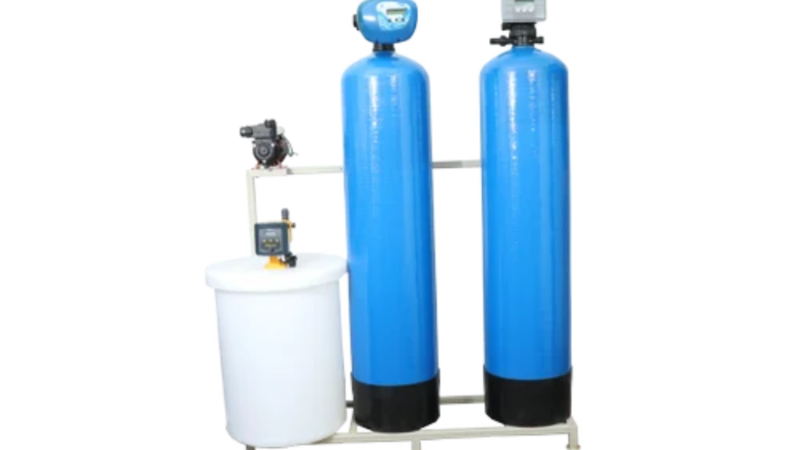
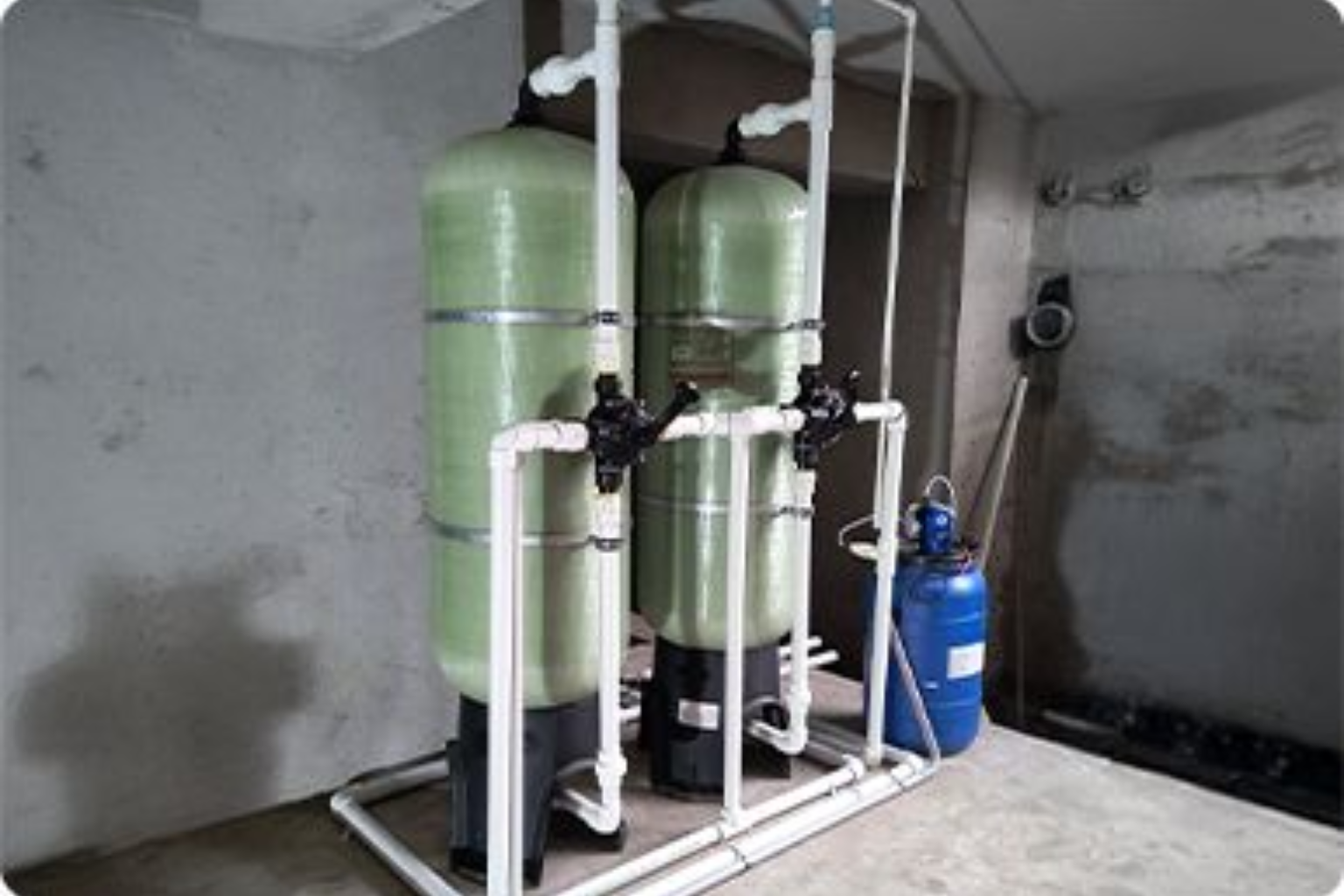
That’s where scale build-up prevention becomes more than a buzz phrase. A proper softening or conditioning system can reduce mineral accumulation before it turns into a maintenance headache.
The long-term impact? Water heaters operate more efficiently. Showerheads don’t clog as quickly. Dishwashers last longer.
It’s not dramatic — but it’s practical.
Everyday Comfort You Didn’t Realize Was Missing
One of the most overlooked improvements people notice after softening their water is how their skin and hair feel.
Hard water makes soap less effective. It can leave residue behind, which sometimes translates to dryness or irritation. Towels feel stiff. Laundry loses its softness over time.
Once water is treated, the difference shows up in subtle ways. Soap lathers more easily. Rinsing feels cleaner. Clothes regain a bit of their natural softness.
These are some of the often-cited soft water benefits — not because they’re flashy, but because they improve daily routines.
You might not think about your water during a shower. But you’ll notice when it feels better.
A Smarter Way to Protect Appliances
Water treatment isn’t just about comfort. It’s about prevention.
Mineral buildup inside appliances acts like insulation. It forces heating elements to use more energy to achieve the same results. Over time, this can increase energy bills and shorten appliance lifespan.
A water heater battling scale may operate less efficiently year after year without you realizing it.
By reducing hardness and filtering out debris, you’re essentially giving your appliances a cleaner working environment. And cleaner systems tend to last longer.
In that sense, water treatment becomes part of your home’s long-term maintenance strategy.
Testing Before Installing
Here’s something that often gets overlooked: not all water problems are the same.
Some homes struggle with sediment. Others deal with high hardness levels. Some experience iron staining. Others notice only taste or odor issues.
Before installing any system, water testing is critical. It replaces assumptions with data.
A proper analysis reveals mineral concentrations, sediment levels, and other potential concerns. With that information, you can select equipment that actually addresses your specific situation.
Water treatment shouldn’t be one-size-fits-all.
Maintenance: The Honest Conversation
Let’s talk about upkeep.
Filters need changing. Softeners require salt refills. Systems benefit from occasional inspections.
But here’s the reality — maintenance is typically straightforward. Cartridge replacements take minutes. Salt refills become part of a routine.
The key is consistency. Neglected systems don’t perform well. Maintained systems often operate quietly for years.
And most homeowners find the effort worth the results.
The Subtle Upgrade That Feels Big
Unlike remodeling a kitchen or installing new flooring, improving water quality doesn’t create a visual transformation.
There’s no “before and after” photo.
Instead, there’s a series of small improvements:
- Clearer glassware
- Softer laundry
- Cleaner fixtures
- More efficient appliances
It’s the kind of upgrade that reveals itself gradually.
And because water touches nearly every part of daily life, those improvements echo throughout the home.
Final Thoughts
Water flows through your house every single day. It powers your routines. It shapes your comfort. It quietly influences appliance performance and energy usage.
When water quality improves, life feels just a little smoother.
You scrub less. You replace appliances less often. You notice softer fabric and clearer dishes.
Not because you made a flashy renovation — but because you addressed something foundational.
Sometimes the most meaningful home upgrades aren’t the ones you see.
They’re the ones you feel, every time you turn on the tap.