Can You Really Trust the Tap? A Personal Take on Drinking Water in Salt Lake City
There’s something oddly comforting about filling a glass straight from the kitchen sink. No bottles. No filters. Just twist, pour, drink. But what if you’re somewhere new? Let’s say you just landed in Salt Lake City — beautiful views, good vibes, and suddenly, you’re parched. That moment of hesitation kicks in. Wait… is it okay to drink this tap water?
You wouldn’t be the first to ask. In fact, I was exactly in your shoes not too long ago — curious, maybe a little paranoid, and scrolling through water reports on my phone like a sleep-deprived scientist. Let’s unpack it all right here, in a laid-back, no-fluff way.
So… Can You Drink the Tap Water in Salt Lake City?
Yes. The short and sweet answer is: you absolutely can drink tap water in Salt Lake City. It meets — and often exceeds — the safety standards set by the Environmental Protection Agency (EPA) and Utah Department of Environmental Quality. This isn’t back-alley, suspicious faucet water; this is clean, regulated, public supply water.
Now, I get it. Just because something is “technically safe” doesn’t always mean it feels safe, right? The trust factor with tap water comes from more than just numbers — it comes from smell, taste, experience, and peace of mind. Let’s dive deeper.
Where the Water Comes From
Most of Salt Lake City’s drinking water flows from mountain streams and protected watershed areas. It’s kind of poetic — snow from the Wasatch Range melts, flows through the valleys, and eventually ends up in your kitchen faucet. Of course, it doesn’t just go straight from glacier to glass. There’s a whole treatment process in between.
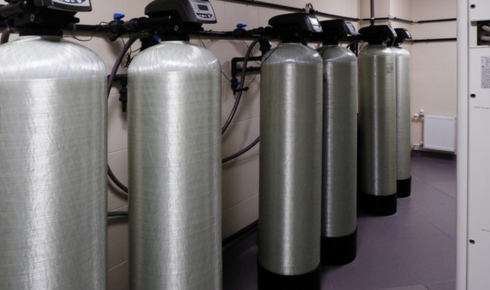
The water gets filtered, disinfected (usually with chlorine), and tested for things like heavy metals, bacteria, and organic compounds. The city’s Water Quality Division regularly monitors and adjusts the treatment to ensure you’re not sipping on anything sketchy.
The Taste Factor
Here’s where things get a little subjective. Some people — especially if they’re from areas with soft water or filtered water systems — might pick up on a slightly mineral-heavy taste in Salt Lake City’s tap water. That’s because the water here tends to be “hard,” meaning it has more dissolved minerals like calcium and magnesium.
It’s not a health risk. But if you’re sensitive to flavors, you might notice it. I’ve had people tell me it tastes “earthy,” or that it reminds them of the water in Denver or Phoenix. Either way, if the taste bugs you, a basic carbon filter pitcher usually smooths things right out.
Is Salt Lake City Water Safe to Drink?
Let’s address the big one directly: is Salt Lake City water safe to drink?
Yes, it is. The city’s water consistently ranks well within safety limits for all major contaminants. You can even access their Consumer Confidence Report (CCR) online — it’s public, and it’s packed with test results, sources, and treatment data.
Now, just because it’s safe doesn’t mean everyone’s home has the same experience. Older pipes can leach small amounts of lead or rust, especially if you live in a building from before the 1980s. That’s not the city’s fault — that’s aging infrastructure. Running your tap for 30 seconds before filling your glass can help flush out stagnant water if you’re concerned.
What About Tourists and Newcomers?
I’ve met plenty of folks visiting from out of state (or even overseas) who hesitate before drinking tap. It’s understandable. If you’re from a place where tap water is questionable — or downright dangerous — it takes time to trust the faucet again.
But I’ll say this: in Salt Lake City, I’ve never seen locals lugging cases of bottled water like it’s hurricane season. Most people here just drink from the tap. And that’s pretty telling, isn’t it?
So if you’re wondering can you drink tap water in Salt Lake City, the local answer is, “Yeah, of course.” But don’t be shy about using a filter if it gives you peace of mind.
A Few Things to Watch Out For
Let’s keep it honest. No city is immune to the occasional hiccup. Salt Lake has had rare boil advisories during major pipeline work or natural disasters. That’s just a smart precaution — not a red flag.
Also, while chlorine is essential for disinfection, some people are sensitive to it. You might notice a faint swimming pool scent now and then. Again, that’s where fridge filters come in handy. They’re not expensive, and they strip out chlorine, metals, and sediment.
One thing I learned? Don’t fill your pet’s water bowl right after turning on the tap if it’s been idle overnight. Let it run a few seconds. That’s just basic best practice, not just for pets — for anyone.
Comparing With Other Cities
If you’re moving from somewhere like Los Angeles or New York, Salt Lake City’s water might taste cleaner to you — or possibly, a bit weirder at first. It really depends on what you’re used to. Compared to many U.S. cities, though, the water here ranks fairly high in purity, clarity, and compliance.
Interestingly, tap water Salt Lake City sources are among the more protected in the country, thanks to the surrounding mountains and restrictions on development in watershed areas. That natural buffer makes a real difference.
Why Some People Still Go Bottled
Despite all this reassurance, you’ll still meet folks who only drink bottled water. And that’s okay. Sometimes it’s about trust. Sometimes it’s about taste. Sometimes it’s about old habits passed down from their parents.
But if you’re skipping tap because you assume it’s dangerous — especially in a city like Salt Lake — you might be giving up on a clean, convenient, and cheap option without good reason.
Honestly, the biggest downside might be mineral build-up in appliances. If you’re using a coffee maker, get yourself some vinegar and run a clean cycle once a month. Simple fix.
Should You Use a Filter?
I do. Not because I’m afraid of what’s in the water — but because it makes me feel better. It’s like wearing a seatbelt in the backseat. You probably won’t need it, but it’s good practice.
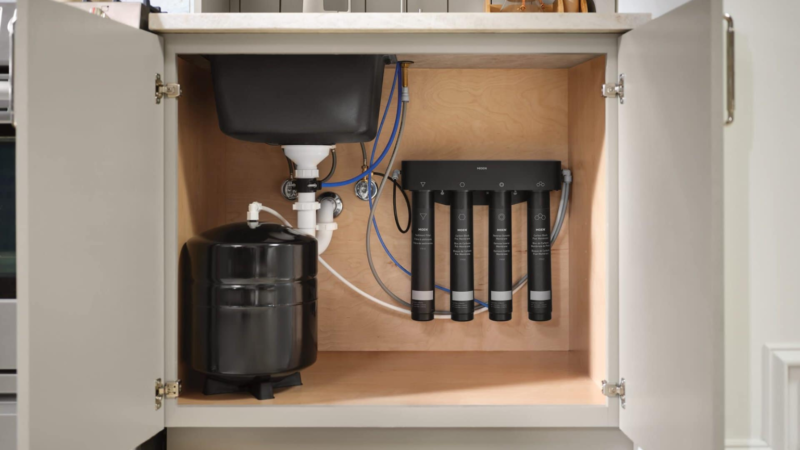
Plus, a pitcher filter or under-sink unit improves the taste. And if you’re someone who drinks a lot of water (like me), that matters.
In Closing: Tap Water You Can Trust
After months of drinking it, cooking with it, and filling water bottles for hikes, I can say with confidence: the water here is good. Crisp. Dependable. You don’t need to second-guess every sip.
So if someone asks you is Salt Lake City water safe to drink, you can say yes, not just because the data backs it — but because you’ve experienced it yourself. You’ve filled glasses, brewed coffee, and stayed hydrated without a second thought.