
The Heart of the Home: Creating a Living Room That Feels Just Right
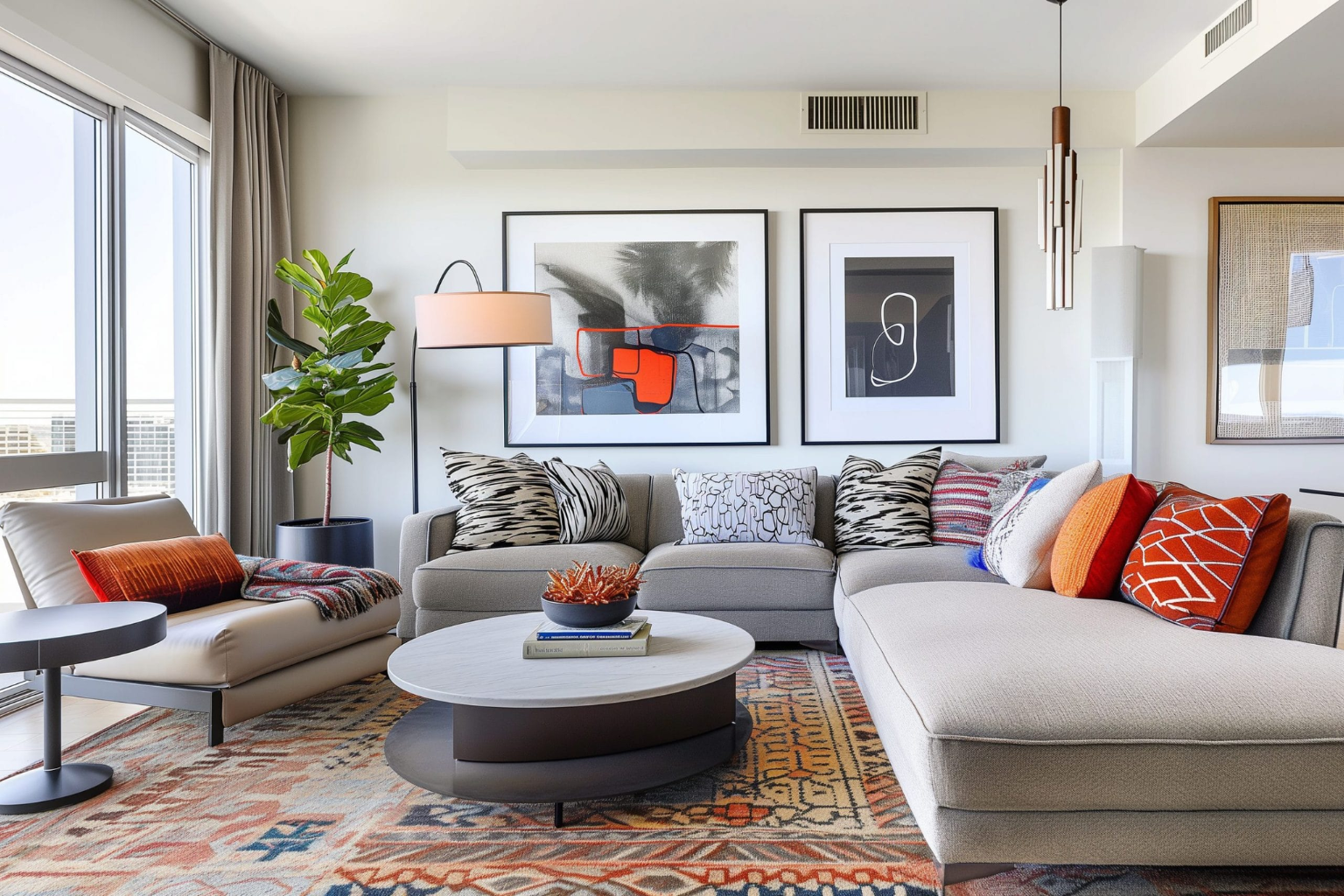
There’s something kind of sacred about the living room, isn’t there? It’s where the best parts of life tend to unfold — slow mornings with coffee, loud laughter with friends, messy movie nights, and those quiet, nothing-to-say moments with the people who matter most.
But designing a living room that actually feels like all of that? That’s the challenge. It’s easy to make a space look pretty. What’s harder — and more important — is making it feel lived in. Loved. Functional, but not fussy. Stylish, but never stiff.
This isn’t a checklist. It’s a conversation. A gentle ramble through what really matters when you’re crafting the kind of room that doesn’t just impress — it embraces.
Start With the Why, Not the What
Before you think about colors or couches, take a second and ask: what is this room for?
Not in theory, but for you. Do you want a space to read, rest, and reset? Or a spot for game nights and gatherings? Maybe a little bit of everything?
That intention becomes your compass. It tells you where to place the furniture, how to layer in lighting, which pieces are worth investing in, and what you can skip entirely.
Every detail should support the life you live — not the one you saw on Pinterest.
The Pillars of Good Living Room Design
Now let’s talk bones. The living room design doesn’t have to be complicated — but it does need to make sense. A room can’t feel good if it doesn’t work.
Start with flow. Make sure people can move through the space without weaving around a dozen obstacles. Anchor your layout around a focal point — a fireplace, a picture window, even just a great sofa — and then build out from there.
Zones help, especially in open-concept homes. One corner for conversation. Another for watching TV. Maybe a reading chair with its own little lamp and side table. It’s like building mini-moods within one larger story.
Then comes comfort — but we’ll get to that in a second.
The Art of Comfort (Without Losing Style)
This might sound obvious, but too many living rooms look great and feel… blah.
A truly comfortable inviting space doesn’t demand perfection. It welcomes you with open arms. Think cushy seating you can sink into, throw pillows that don’t need constant fluffing, rugs that beg for barefoot mornings.
But comfort isn’t just physical — it’s emotional. It’s that relaxed, low-pressure vibe that says: “You’re allowed to be messy here.”
That might mean a dog-eared coffee table book, a cozy blanket tossed over the arm of the sofa, or a worn-in leather ottoman that’s seen a few feet. These aren’t imperfections. They’re the very things that make a space yours.
Where Style and Function Shake Hands
The best living rooms don’t just sit pretty — they do something. They work. They flex. They evolve with your life.
Maybe your ottoman lifts for toy storage. Maybe your side table is actually a vintage trunk. Maybe your media cabinet doubles as a bar cart on weekends.
And let’s not forget lighting. It’s the unsung hero of mood. Natural light in the day, layered soft glows by night — floor lamps, sconces, table lamps. Dimmers are a game changer.
Let your decor be personal, not performative. Art you actually love. Objects that tell stories. Books you’ve actually read — or plan to, someday.
A Place to Gather, Relax, Entertain
At the end of the day, your living room should do one thing really well: make people feel at home.
Whether it’s family movie night with popcorn all over the floor, or a cocktail hour with jazz humming in the background, or just you curled up with your cat and a blanket — this is the room that holds it all.
It’s where we gather relax entertain without overthinking it.
So create that space. Not a showroom, but a shared room — one that reflects who you are and how you love.
Color, Texture, and the Personal Touch
Don’t stress over trends. Pick colors that calm or energize you — whichever you need more of. Neutrals are great foundations, but a pop of something bold can bring the whole space to life.
Texture is where things get interesting. Mix soft and rough, smooth and rugged — linen against leather, wool beside wood. Layer your rugs. Add something woven. Let your space feel like a sensory hug.
And don’t be afraid to go a little weird. A funky lamp. A crooked thrift store frame. That pillow that doesn’t match anything but makes you grin every time you walk by.
Design isn’t about rules. It’s about rhythm.
Seating: Think Flexible, Think Lived-In
You don’t need a matching set. You need options.
A deep sofa, a couple of movable chairs, maybe a pouf or two — that’s usually enough to host friends, stretch out for naps, or reconfigure when the in-laws come over.
Make it easy to change things up. Lightweight pieces, rolling carts, modular sections — these give you freedom without friction.
And always, always try before you buy. No one should need good posture just to watch TV.
Let Life Spill In
Living rooms are called that for a reason. They’re not static. They’re the stage for your daily messes, your weekly traditions, your once-in-a-while celebrations.
Let them reflect real life. Plants that don’t always thrive. Coffee tables with a few rings. A bookshelf that’s a little overcrowded.
