What’s Really Hiding in Your Water? A Candid Dive into TDS and Why It Matters
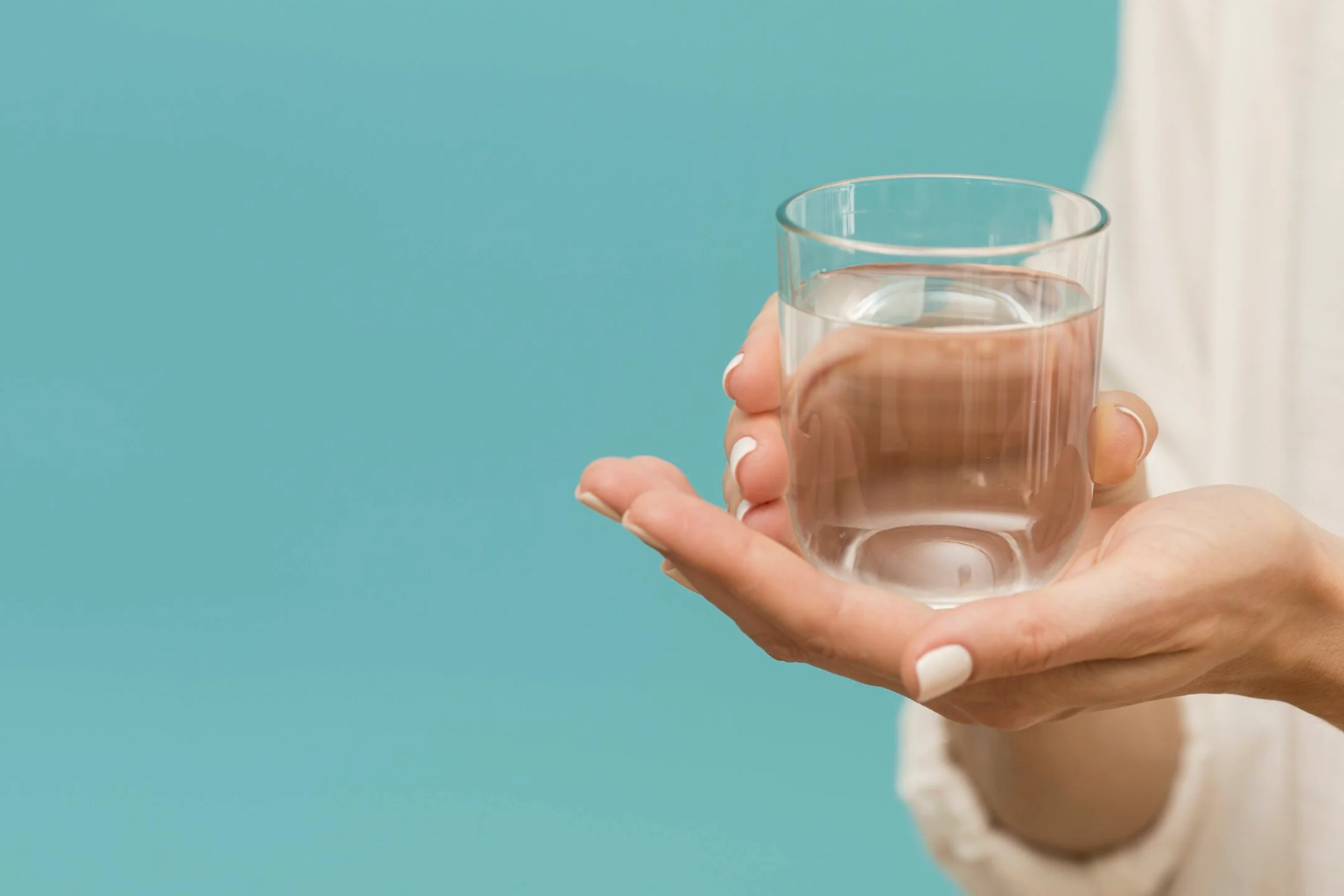
Let’s talk about something you use every single day—something that seems harmless and clear but could be quietly carrying a little more than you bargained for: your water.
We trust it, don’t we? It flows out of our taps, fills our bottles, rinses our food. We don’t question it much—unless it smells funny or tastes off. But behind that sparkling appearance lies a hidden story, one told in tiny particles and invisible residues. This story? It starts with something called TDS.
So, What’s TDS Anyway?
First thing’s first: TDS full form water is Total Dissolved Solids. Sounds technical, maybe even intimidating, but stick with me. It’s actually a really simple concept. TDS refers to the total amount of organic and inorganic substances that are dissolved in your water—everything from minerals like calcium and magnesium to metals like lead, and even leftover fertilizers or run-off from industrial zones.
Just because water is crystal-clear doesn’t mean it’s pure. That’s where TDS steps in—it’s a measurement that tells you what’s swimming in there, even when your eyes can’t catch it.
The Sneaky Guests in Every Sip
Imagine pouring yourself a glass of water. Looks good, right? But zoom in, past the clarity, and you might find hundreds of dissolved substances: traces of soil, salts, metals, and more. These aren’t necessarily “bad,” by the way. Some minerals are actually essential to our health. But it’s the quantity and type that really matter.
A healthy balance of TDS in water gives it that crisp, fresh taste. Go too high, though, and the water starts tasting metallic, bitter, or just… weird. Go too low, and it might taste flat, almost sterile—like licking a spoon that’s been boiled too long. That’s why finding your TDS sweet spot is kind of like seasoning food: just enough is perfect.
Where TDS Comes From
Water travels. It moves through soil, pipes, treatment plants, and even your home’s plumbing. Along the way, it collects particles—some naturally occurring, others introduced by human activity. These include:
- Calcium and magnesium (hello, hard water)
- Chloride, nitrates, sulfates
- Heavy metals like arsenic or lead
- Pesticide residue and industrial by-products
The tds levels in your water are influenced by where you live, how your local municipality treats its supply, and even the condition of your home’s piping. No two water sources are exactly the same, and neither are their TDS readings.
Is High TDS Dangerous?
Not always. That’s the nuance. Just because your TDS reading is above the “ideal” 150-300 ppm doesn’t automatically mean your water is harmful. It just means it’s carrying more stuff. You have to dig deeper.
High levels of essential minerals? Probably fine—maybe even beneficial. But high levels of metals, salts, or industrial runoff? That’s where concern kicks in. A sudden spike in TDS could point to contamination or a failing water filter. So, while it’s not a direct health test, it’s a great flag.
Testing Your Water: Surprisingly Simple
If you’ve never tested your water before, you’re not alone. Most people don’t think to. But it’s stupid-easy these days. TDS meters—little pen-sized gadgets—are cheap and accurate. Dip one into a glass of water, and you’ll get a reading in seconds.
That number? It’s your TDS level in parts per million (ppm). Under 150 ppm usually means soft, possibly acidic water. Between 150-300 ppm is considered balanced. Over 500 ppm? That’s high, and worth investigating—especially if you rely on well water or live in an area with older infrastructure.
Filter or Not to Filter?
Here’s the dilemma. If your TDS is too low, basic carbon filters won’t do much. If it’s high, you might be tempted to jump into expensive filtration systems like reverse osmosis.
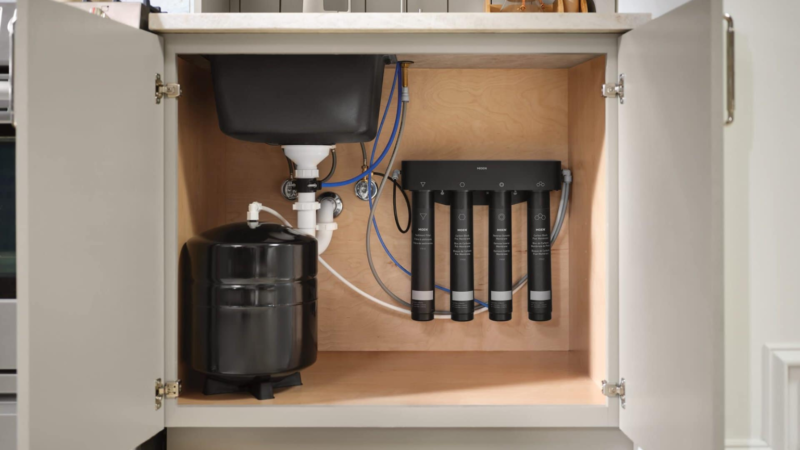
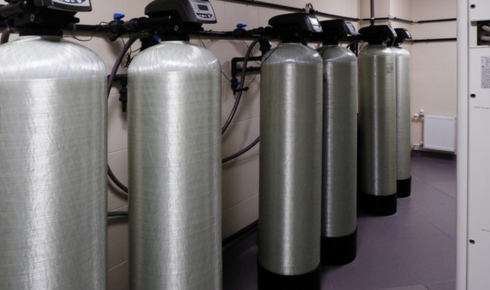
But be careful—not all filters reduce TDS equally. Some only remove chlorine and odor, not minerals. Reverse osmosis systems? They’ll strip nearly everything—including the good stuff. So, if your water tastes too “flat” after filtering, that’s probably why.
The best approach? Know your water. Don’t just throw tech at it blindly. Start with a test, understand your results, and then decide whether you need a Brita pitcher or a full-blown under-sink system.
Bottled Water Isn’t Always the Hero
Here’s a twist you might not expect: bottled water often has more dissolved solids than filtered tap. Why? Because some brands bottle mineral-rich spring water, which naturally has higher TDS.
Plus, bottled water isn’t immune to microplastics, which are a whole different can of worms. So before you start hoarding cases from Costco, consider the irony—you might already have better water coming out of your kitchen faucet.
When TDS Becomes a Family Matter
Once you start caring about your water, it’s hard to stop. You’ll notice changes in your skin. You might finally figure out why your kettle crusts up so quickly. You’ll become that person who brings their own water bottle to parties. And hey, maybe you’ll even help your neighbors test their supply. Knowledge spreads like ripples.
Caring about what goes into your glass becomes caring about what goes into your body. And that ripple effect? It’s the beginning of healthier habits all around.
So… Should You Worry?
Not necessarily. TDS isn’t the boogeyman. But it is your first clue into what’s really going on with your water. It gives you a snapshot—an overview of purity, mineral content, and potential red flags.
Is it as crucial as bacteria testing? Probably not. But is it useful? Absolutely.
Think of TDS as the “check engine light” of your water. It doesn’t tell you exactly what’s wrong, but it tells you something might be worth looking at.
One Last Sip
We don’t often think about the water we drink. It’s just… there. A background character in our lives. But when you pause for a moment—when you really consider what’s floating invisibly in every glass—it changes things.