Most homeowners don’t think much about their water until something changes. Maybe white spots begin appearing on the shower door, laundry comes out looking dull, or the water from the kitchen tap has an unfamiliar taste. Sometimes the signs are subtle, and sometimes they’re impossible to ignore. Either way, they raise a reasonable question: what can be done to make the water better?
The answer isn’t always as simple as buying a filter. Different homes have different water sources, plumbing systems, and quality concerns. Some households struggle with hard water, while others want to reduce chlorine taste or address specific contaminants identified through testing. Choosing the right equipment matters, but so does finding someone who understands the problem and can explain the options clearly.
A thoughtful approach begins with good information, continues with a suitable treatment plan, and doesn’t end the moment the equipment is installed.
Start by Understanding What’s in Your Water
Before comparing products, take a closer look at your water supply. If your home receives municipal water, your local utility may publish a water quality report explaining its treatment process and monitoring results. This information can provide a useful starting point, although it won’t necessarily describe every issue that might develop inside your home’s plumbing. Related: When Water Treatment Problems Can’t Wait: Knowing What to Do Next
Private well owners need to be more proactive. Since well water quality can change with environmental conditions, regular testing is an important part of responsible ownership. Rainfall, flooding, nearby agricultural activity, and problems with well construction can all influence the water entering a home.
Testing can also help explain everyday nuisances. Elevated calcium and magnesium levels may cause mineral deposits on faucets and appliances. Iron can leave orange or reddish stains, while certain dissolved substances may affect taste or odor. Microbial contamination requires a different response altogether.
The important thing is not to assume that every unusual symptom has the same cause. A rusty stain doesn’t automatically mean a filter is needed, and clear water isn’t proof that all potential contaminants are absent. A qualified laboratory can identify relevant concerns and help establish what kind of treatment, if any, is appropriate.
Why Professional Water Treatment Advice Matters
There is no shortage of water improvement products on the market. Small faucet filters, under-sink units, whole-house systems, and water softeners all serve different purposes. The challenge is knowing which option makes sense for your particular situation.
Professional water treatment advice can help connect the results of a water test with a practical solution. Instead of choosing equipment based on advertising alone, a specialist can consider water chemistry, household size, daily consumption, existing plumbing, and the specific outcome you’re hoping to achieve.
For example, a family experiencing frequent scale buildup may benefit from a properly sized water softener. A household concerned about drinking water taste may need a carbon filter designed to reduce chlorine. If testing identifies a particular contaminant, the equipment must be capable of reducing that substance at the concentration present. Related: Keeping Your Plumbing Reliable Through Better Planning and Timely Repairs
This distinction matters because no single system removes everything. A sediment filter can capture suspended particles but won’t necessarily remove dissolved minerals. A softener reduces hardness but isn’t designed to make every source of water safe to drink. Reverse osmosis systems can reduce many dissolved substances, although performance depends on the unit and its maintenance.
A good professional should explain these differences in plain language. You shouldn’t need a chemistry degree to understand why a system is being recommended or what it will and won’t accomplish.
Choosing a Reliable Kinetico Dealer
Once you have a clearer understanding of your water concerns, the next step is finding a supplier who can guide you through the available options. Brand familiarity can be useful, but service quality, product knowledge, and long-term support deserve equal attention.
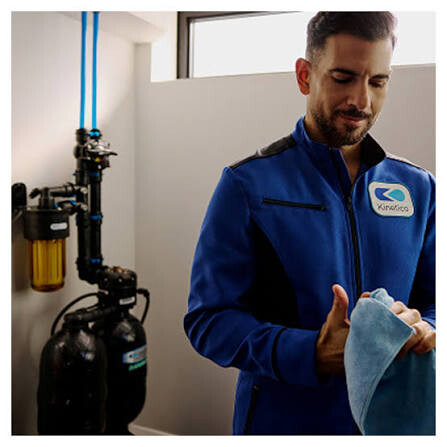
If you’re considering Kinetico equipment, look for an authorized independent kinetico dealer who can confirm their authorization and explain which products suit your needs. Independent dealers may provide personalized recommendations, installation services, and ongoing maintenance, depending on their service area and business offerings.
Don’t hesitate to ask a few practical questions before committing. Will the company test your water or review existing test results? Can it explain why a particular model is appropriate? What does installation include, and who handles service if something goes wrong later?
It’s also worth asking about replacement parts, routine maintenance, warranties, and expected operating costs. A system’s purchase price is only one part of the overall expense. Some equipment requires periodic filter changes, while other systems need specific servicing or adjustments to maintain performance. Related: What Every Homeowner Should Know About Hidden Risks in Drinking Water
A trustworthy dealer won’t pressure you into buying the largest system available. Instead, the recommendation should reflect your water conditions, budget, and household requirements. If an explanation sounds vague or the promised results seem unrealistic, take time to compare alternatives.
Understanding the Role of Filtration
One of the most common misunderstandings about household water equipment is the belief that all filters do essentially the same job. In reality, different technologies target different substances.
Filtration generally involves passing water through a material that captures particles or reduces selected contaminants. Sediment filters are designed to trap suspended material such as sand and rust particles. Activated carbon filters can improve taste and odor by reducing chlorine and certain other compounds, depending on their design and certification.
More advanced systems may combine several treatment stages. A reverse osmosis unit, for instance, often uses prefilters, a membrane, and a post-filter to address different aspects of water quality. Ultraviolet disinfection systems are used to inactivate susceptible microorganisms, but they don’t remove dissolved minerals or chemical contaminants.
The right combination depends on the problem being addressed. A household with hard water may need softening rather than additional carbon filtration. Someone concerned about a specific contaminant should check whether the chosen product has independent certification for reducing that substance.
Maintenance is equally important. A clogged filter can restrict water flow, and a cartridge that remains in service beyond its recommended life may not perform as intended. Some systems also require monitoring to ensure they continue operating correctly. Keep track of service dates and follow the manufacturer’s instructions rather than waiting for the water to taste different. Related: Water Damage Repair in Bellingham, WA: Steps to Protect Your Home
Think Beyond the Initial Installation
Water treatment is not usually a one-time purchase followed by years of completely hands-off operation. Equipment has components that wear out, filters that need replacing, and operating requirements that vary by model.
Before installation, ask for a clear maintenance schedule. Find out how often consumable parts need attention, whether professional servicing is recommended, and what routine costs are likely to be. If a system uses salt, electricity, or water during regeneration, those factors should be included in your decision.
It’s also sensible to keep copies of your original water test, installation details, product documentation, and service records. These can help a technician identify changes later and make future maintenance less complicated.
Over time, your needs may change as your family grows, plumbing is renovated, or the source of your water changes. A periodic review can help determine whether the current setup remains suitable.
Making a Confident Choice for Better Water
Improving your home’s water quality doesn’t have to become a complicated project. Begin with testing or reliable information about your water supply, identify the concerns that matter most, and compare treatment options based on evidence rather than promises. Related: Emergency Tree Removal in Lakeland, FL: Protect Your Property From Dangerous Trees
The right equipment can make daily tasks easier, reduce mineral buildup, improve drinking water taste, and address certain water quality concerns when properly selected and maintained. Just as importantly, the right service provider can help you understand what your system does and how to keep it working well.
Take your time when choosing a dealer, ask direct questions, and make sure the proposed solution fits your home. Better water begins with understanding the problem, but lasting results come from combining suitable technology with informed decisions and dependable care.