Smarter Water, Healthier Homes: The Rise of Personalized Water Treatment Solutions
Water. It flows through our homes, fills our coffee pots, showers, and lives—but we hardly stop to think about what’s in it. For many, as long as the tap runs clear, that’s good enough. But let’s be honest—“good enough” isn’t really good, especially when you’re talking about the stuff you cook with, clean with, and drink every single day.
Whether it’s hard minerals clogging your pipes or invisible bacteria making their way into your glass, the quality of your water can quietly shape your daily life. Fortunately, a new wave of water technology is shifting that narrative, giving homeowners and businesses alike more control over what flows through their faucets.
Let’s talk about the evolving world of modern water treatment—minus the jargon and the boring sales pitch.
The Basics: Water Isn’t One-Size-Fits-All
Here’s the thing: water quality can vary wildly, even from house to house on the same block. It all depends on the source, the geography, the age of your pipes, and even the season. What works for one household may be overkill for another—or worse, not enough.
That’s why the blanket approach of tossing in a filter under the sink and calling it a day just doesn’t cut it anymore. Smart homeowners are leaning into more tailored solutions, systems that address their water’s exact makeup rather than following a generic checklist.
Goodbye Germs: The Rise of UV Power
Let’s start with something that’s been gaining serious traction in recent years: ultraviolet (UV) water disinfection. Now, this isn’t sci-fi stuff. It’s science—very practical science.
UV disinfection units use ultraviolet light to neutralize bacteria, viruses, and protozoa in your water. It’s a chemical-free solution that doesn’t mess with taste or smell, and it works fast. For families with well water or for folks living in areas prone to water advisories, it’s becoming a no-brainer.
More importantly, UV adds a level of protection that filters alone just can’t match. Think of it like a digital lock on your door: it doesn’t replace the old-fashioned deadbolt, but it sure makes you sleep better at night.
Why Softening Isn’t Always About Salt Anymore
For decades, salt-based softeners ruled the water world. They’re great at handling hard water, no doubt—but they come with some baggage: extra sodium, the need for regular salt refills, and a bit of a hit on the eco-friendliness scale.
Enter the new player in town: salt-free conditioners. These systems don’t actually “soften” water in the traditional sense—they condition it. That means minerals like calcium and magnesium aren’t removed but are altered so they don’t stick to surfaces and build up scale.
They’re lower maintenance, more sustainable, and don’t mess with the mineral content of your drinking water. For many folks, that’s a win-win. Especially if your goal is healthier skin, better-tasting water, and no more scrubbing your shower every weekend like it’s your second job.
Personalization Is the New Standard
Gone are the days of buying a one-size-fits-all filter from the hardware store and hoping for the best. Today’s systems are designed to be…well, designed.
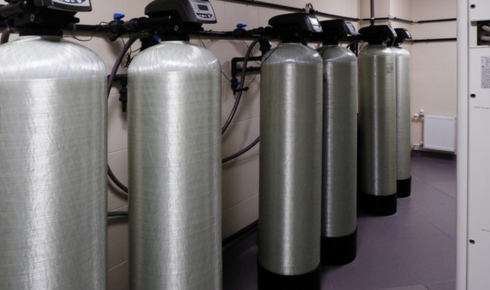
Customized water treatment systems are tailored to your home’s specific needs, your water’s exact chemistry, and your lifestyle. Whether you’re dealing with chlorine-heavy city water, well water with iron issues, or you’re just picky (and hey, you have every right to be), there’s a setup just for you.
It might involve a mix of filtration, UV, reverse osmosis, and conditioning. But the key is: it’s built for your situation. Like a good suit, when your system is customized, it just works better.
The Hidden Cost of Doing Nothing
Let’s pause for a minute and talk about what happens if you ignore water issues. You might save some money upfront—but you’re likely spending more in the long run.
Scale buildup in your pipes and appliances reduces their lifespan. Chlorine can damage your hair and skin. Sediment and rust can stain your sinks and toilets. And untreated bacteria? Don’t even get started.
The point is, poor water quality slowly eats away at your home—literally and figuratively. And while it might not feel urgent today, those little problems tend to snowball. Addressing them proactively saves money, stress, and health.
It’s Not Just a Luxury—It’s a Lifestyle Shift
Now, maybe this all sounds like something only luxury homeowners would worry about. But the reality is, clean, safe water is foundational to a healthier life. It’s not about being fancy—it’s about being thoughtful.
We’re already shifting to personalized health supplements, custom skincare routines, and tailored meal plans. Water? It deserves the same level of attention. After all, it touches every part of your life—literally.
So whether you’re trying to avoid skin irritation, protect a newborn from waterborne contaminants, or just hate the taste of your tap water, a smart system makes a noticeable difference.
A Few Tips Before You Dive In
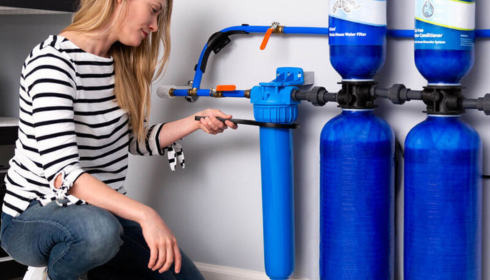
If you’re considering a water treatment system, start by getting your water tested. Many companies offer free or low-cost testing. From there, don’t be afraid to ask questions—what’s the lifespan of the unit? What does maintenance look like? Can it be upgraded down the road?
Also, consider future-proofing. Just because your water is okay now doesn’t mean it will be next year. Droughts, floods, aging infrastructure—they all affect water supply and quality. A modular system you can adapt is a smart long-term investment.
The Takeaway: Cleaner Water, Smarter Homes
We’ve come a long way from boiling water over a fire just to make it drinkable. Today’s tech puts powerful purification tools at your fingertips—and makes it easy to live healthier without even thinking about it.